Pacific Northwest Voters Weigh Iran War Costs in Midterm Stakes
As polls close, regional voters face a choice between holding the administration accountable for the conflict or maintaining the status quo in a tight Senate and House race.
By Chioma Rogers ·
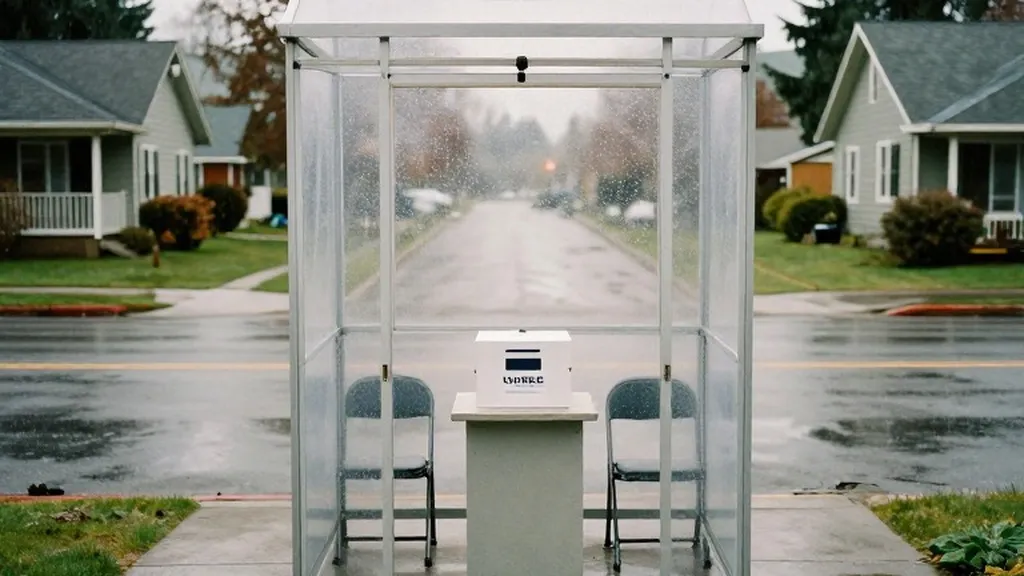
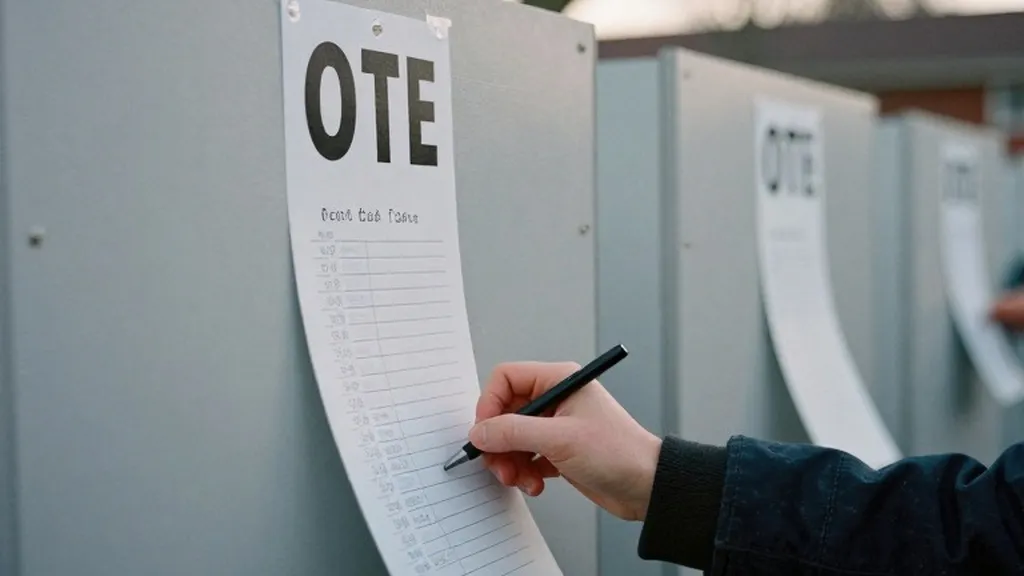
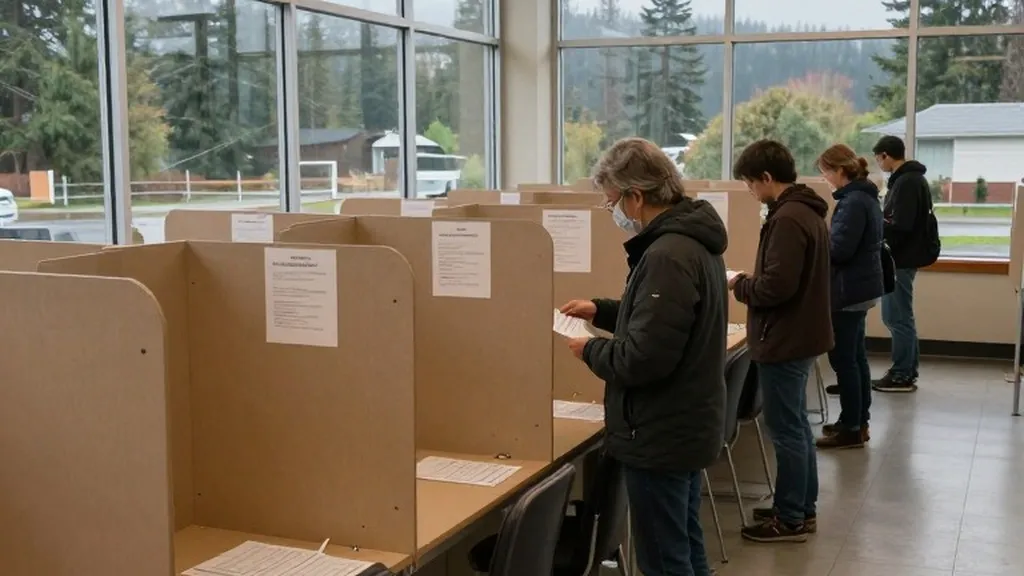
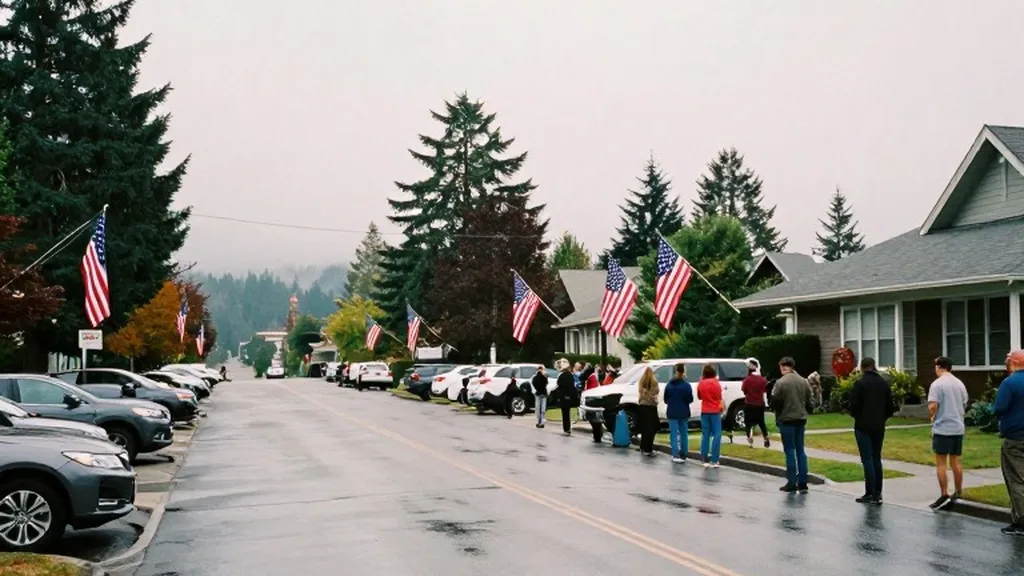
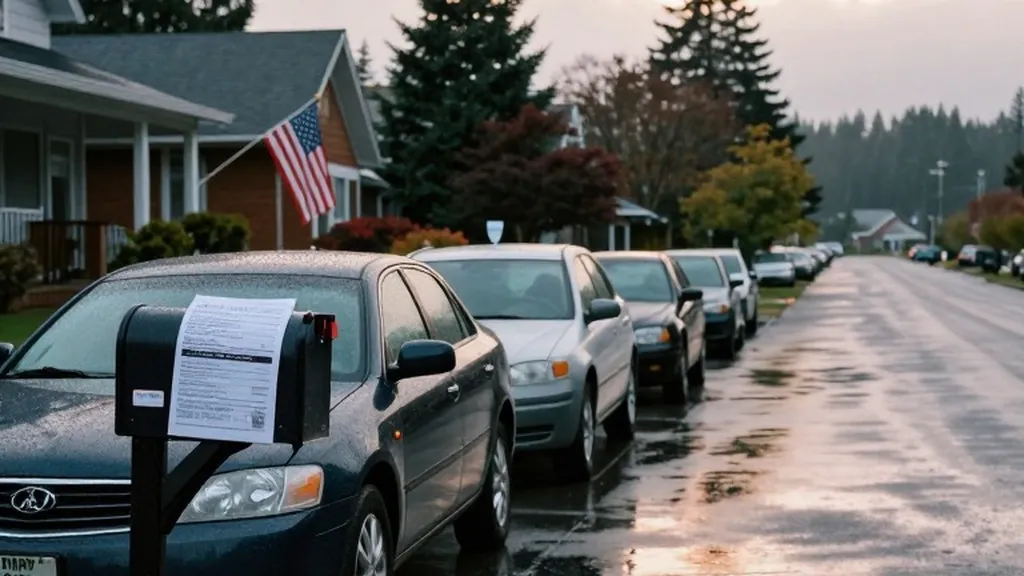
Voters across the Pacific Northwest cast their ballots on Tuesday, November 3, 2026, in a midterm election that has become a direct referendum on President Donald Trump's second term. The Associated Press describes the mood as one where voters are struggling with high prices and are angry over an unpopular war with Iran. This sentiment is particularly acute in the region, where the cost of living and oversight of the administration are central themes for Democratic candidates. The results will determine who controls Congress for the final two years of the president's term, with significant implications for the ongoing conflict and domestic policy.
In Oregon, polls opened at 7 a.m. and close at 8 p.m., with voters deciding on both an open Senate seat and an open governorship. The state is part of a broader pattern where Democrats are defending five governorships in states that Trump won in 2024. In Washington, polls close at 8 p.m., though the state has no Senate or governor races on the ballot this cycle. The focus there remains on the House, where all 435 seats are up for grabs. Democrats need a net gain of three districts to secure a majority, a threshold that puts pressure on races across the region and the country.
The war with Iran has emerged as a pivotal issue, with the AP noting that many Americans blame the president for high prices and the direction of the country. About seven in ten U.S. adults say the country is heading in the wrong direction, according to AP-NORC polling. In the Pacific Northwest, this anger is translated into a push for oversight and investigations. House Democratic Leader Hakeem Jeffries has outlined a 100-day agenda focused on the cost of living and oversight, which resonates with voters in the region who feel the economic strain of the conflict and tariff policies.
In Idaho, polls are open from 8 a.m. to 8 p.m., with incumbent Senator Jim Risch and Governor Brad Little seeking re-election. The state is not currently listed among the primary Senate battlegrounds, but the national mood influences local dynamics. In Alaska, polls close at 8 p.m., and incumbent Senator Dan Sullivan faces a race rated as a toss-up or leaning Democratic by several rating groups. The Trump administration has filed a lawsuit related to the certification of the Senate result in Alaska, adding a layer of legal uncertainty to the election administration process.
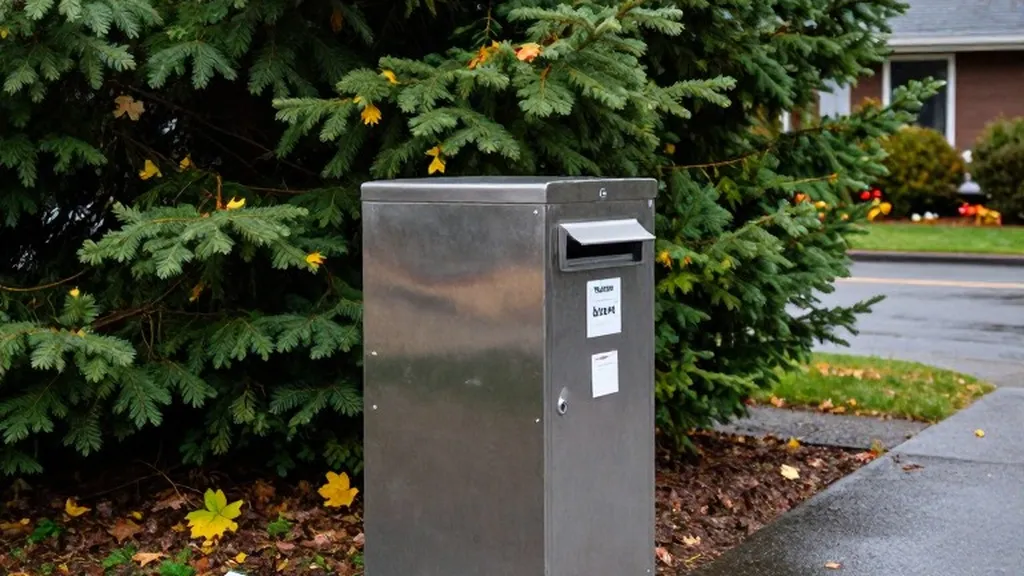
Hawaii, where polls close at 7 p.m., has no Senate race, but voters are choosing between incumbent Governor Joshua Green and his opponents. The state largely votes by mail, a method that has seen increased usage in recent cycles. More than 57 million people had already voted as of Monday, surpassing early vote totals from four years ago in many closely watched states. This high turnout reflects the intensity of the competition, with Republicans bracing to lose the House and fighting to hold the Senate. Democrats are described as cautiously optimistic, citing the public's dissatisfaction with the current administration's handling of the Iran war and the economy.
The financial disparity in the election is stark, with the 2026 elections likely to be the most expensive in history. Republican committees have outraised and outspent Democratic committees, helped by Trump-affiliated groups and Elon Musk. However, at the candidate level, Democrats have outraised their opponents. This money edge for Republicans is seen as an obstacle for Democrats, who are trying to counter it with a message of change and accountability. The AP analysis of AdImpact data shows that 88.1% of Republican general election TV ad spending went to states and districts Trump won in 2024, a strategy that may not translate to the competitive districts in the Pacific Northwest and other swing areas.
Redistricting also plays a role, with six states using new congressional maps after mid-decade redistricting. While the Pacific Northwest states are not among those with new maps for this cycle, the national impact of redistricting in states like Florida and Texas affects the overall math for control of the House. Republicans have tried to beat the traditional midterm pattern, where a president's party almost always loses seats, by leveraging these new maps. However, new districts may not vote as drawn, and the war with Iran has introduced a new variable that could shift voter behavior in both safe and competitive seats.
Voters in the region are also watching the administration's actions on election integrity. A federal judge temporarily barred the Trump administration from carrying out a plan to prevent noncitizen voting, a move that critics say risks disenfranchising eligible voters. The administration also sued in Alaska and California, and Democrats fear interference and intimidation as the Justice Department threatens to prosecute local election officials. These legal battles add to the complexity of the election day, with voters in the Pacific Northwest and beyond hoping for a smooth process that allows their voices to be heard clearly.
The stakes of the election extend beyond Congress. If Democrats win even one chamber, investigations and possible impeachment proceedings become likely. A strong Democratic night would also boost potential 2028 candidates and could complicate the path for Vice President JD Vance. For now, the focus is on the immediate future of the war with Iran and the economic relief that voters seek. The results will begin to emerge as polls close, with the region's outcomes contributing to the national picture of who will hold the balance of power in the final two years of Trump's second term.