Trump's $5,000 Dividend: A Vote-Buying Gambit or Fiscal Reality?
The Pacific Northwest voted on cost of living as Democrats seized Congress, making the President's conditional cash promise a central question for the new legislative session.
By Kwame Montgomery ·
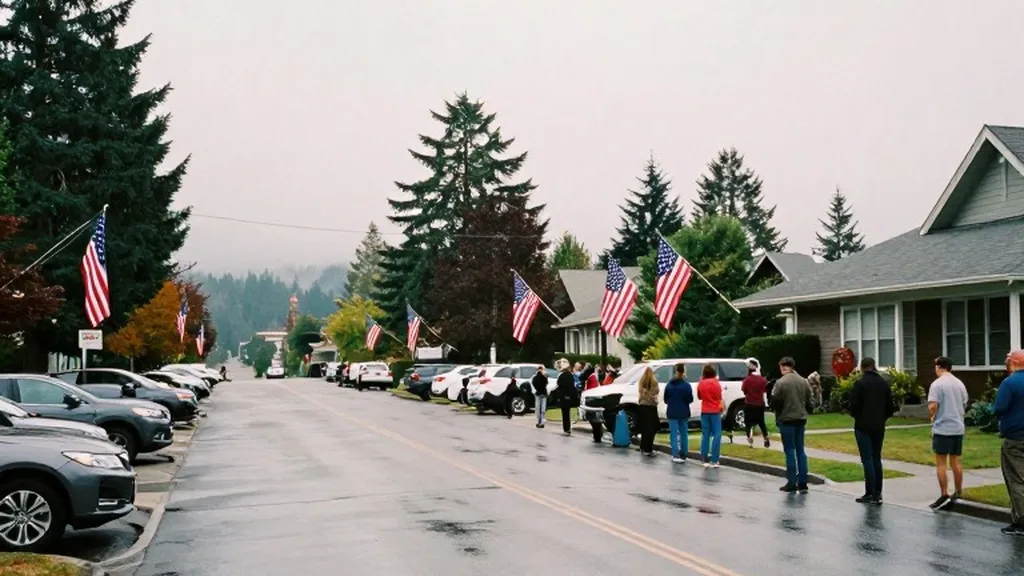
Voters in the Pacific Northwest faced a stark choice on Tuesday, November 3, 2026, weighing the rising cost of living against a presidential promise that many analysts view as an attempt to buy votes. President Donald Trump pledged a $5,000 payment to every adult citizen if the Republican Party retained control of both chambers of Congress. The offer, branded the Trump Dividend, was central to the campaign's final message in Dallas, where the President argued that the nation's economic success justified the payout. However, with Democrats now holding majorities in both the House and Senate, the immediate path to delivering those checks is complicated by the need for bipartisan agreement.
The proposal originated during a nearly two-hour speech at the Republican Midterm Convention. Trump told the crowd that if Republicans won the House and Senate, every adult citizen would receive a dividend. He compared the plan to successful companies distributing cash to shareholders. The President stated that the United States is making so much money that it can afford to share the wealth. This rhetoric aimed to counter voter anxiety over inflation and the war in Iran, which drove gas prices higher and strained household budgets across states like Washington and Oregon.
Democratic leaders framed the promise as a last-minute effort to secure a Republican hold on Congress. Sen. John Fetterman of Pennsylvania, a Democrat who made a surprise video appearance at the convention, highlighted the contrast between the President's optimism and the economic reality faced by voters. The Democratic Congressional Campaign Committee chair, Rep. Suzan DelBene, noted that voters were angry and wanted change. She argued that the dividend was a symbolic gesture that did not address the structural issues driving dissatisfaction, such as government corruption and the persistent rise in prices for essentials like groceries.
Speaker Mike Johnson, who led the House for the past three years, acknowledged the logistical hurdles of the proposal. He stated that congressional approval is required for the payments to proceed. Johnson said he would work to find consensus on the idea, calling it a creative initiative from the President. However, he admitted that the small Republican margin made passing such a significant spending measure difficult. The Speaker's comments underscored that the President cannot unilaterally issue the checks, a point that election law experts have emphasized throughout the campaign.
Bipartisan criticism of the plan emerged even before the polls closed. Some Republicans questioned the price tag, with Texas Rep. Chip Roy writing that dependency is evil in all its forms. Democratic officials pointed to the scale of the deficit, which is nearly $1.8 trillion annually. They argued that adding over $1 trillion in new spending would exacerbate inflationary pressures. This concern is particularly relevant for Pacific Northwest residents who have felt the impact of higher interest rates and energy costs. The new Democratic Congress is expected to scrutinize the budget closely, potentially delaying or modifying the Trump Dividend.
PolitiFact has analyzed the feasibility of the promise, concluding that the biggest payment is far from certain. The fact-checking organization noted that while the President cited tariff revenues as a funding source, the administration has not announced a formal plan for how the money would be distributed. The White House press release provided no details on the mechanism for delivering the checks. Experts from the Tax Foundation estimated that the $5,000 checks would cost about $1.2 trillion, a sum that would consume almost all projected tariff revenue over a decade. This calculation suggests that the promise relies on optimistic forecasts that may not hold up under legislative review.
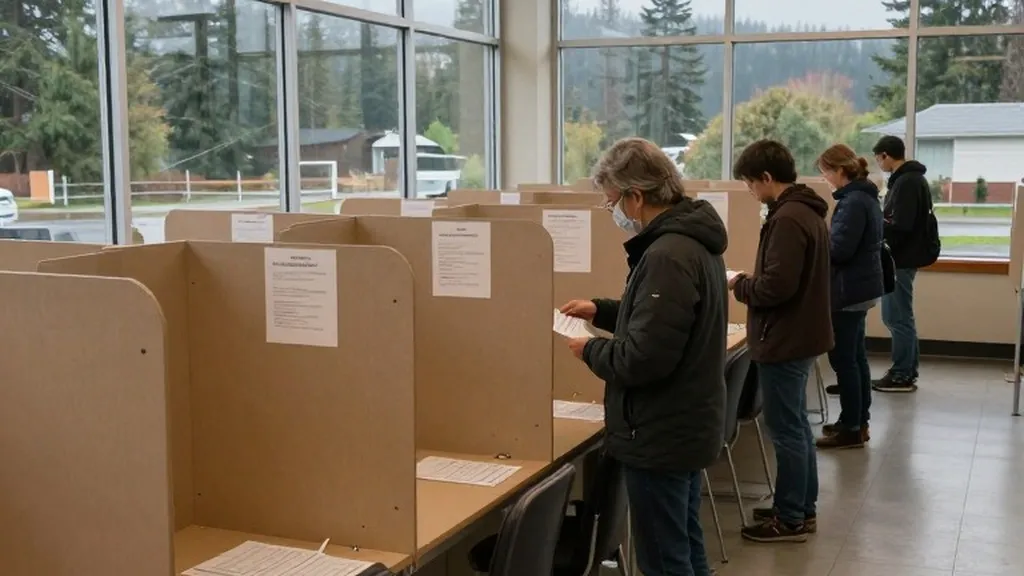
The election results in the Pacific Northwest reflect the broader national trend of Democratic gains. In Oregon, voters elected a new governor and a new U.S. Senator in an open seat race, signaling a shift in state leadership. Washington state voters also participated in a high-turnout election, with polls closing at 8 p.m. local time. In Idaho, incumbent Republican Sen. Jim Risch and Gov. Brad Little faced re-election, while Alaska voters chose a new governor and re-elected Sen. Dan S. Sullivan. These outcomes contribute to the new balance of power in Washington, where Democrats will hold the majority in both chambers of Congress and a majority of governorships nationwide.
The legal question of whether a candidate can promise financial incentives to voters has been addressed by legal scholars. Rick Hasen, a professor of election law at UCLA, noted that such promises are generally protected under the First Amendment as part of campaign rhetoric. He compared Trump's plan to historical examples where candidates promised tax cuts or social programs. Richard Painter, a government ethics expert at the University of Minnesota, agreed that voters are accustomed to hearing such pledges. He pointed to the 1972 campaign of George McGovern, who promised annual payments to Americans. These precedents suggest that the promise itself was not illegal, but its execution faces significant political and economic barriers.
The new Democratic leadership will now decide how to handle the Trump Dividend. Speaker-elect Hakeem Jeffries is in line to become the first Black speaker of the U.S. House of Representatives. He faces the challenge of opposing the President while bridging the gap between moderates and progressives. The Senate, now controlled by Democrats, will also play a crucial role in any legislation related to the dividend. With the Republican Party having lost its majority, the President's ability to push through his economic agenda is diminished. The focus will likely shift to oversight of the administration and addressing the cost of living concerns that drove voters to the polls.