Court rulings shape voting rules as Pacific Northwest casts ballots
Federal orders halting noncitizen checks and new Postal Service measures aim to ensure smooth mail-in voting in Washington, Oregon, and Alaska.
By Claire Castillo ·
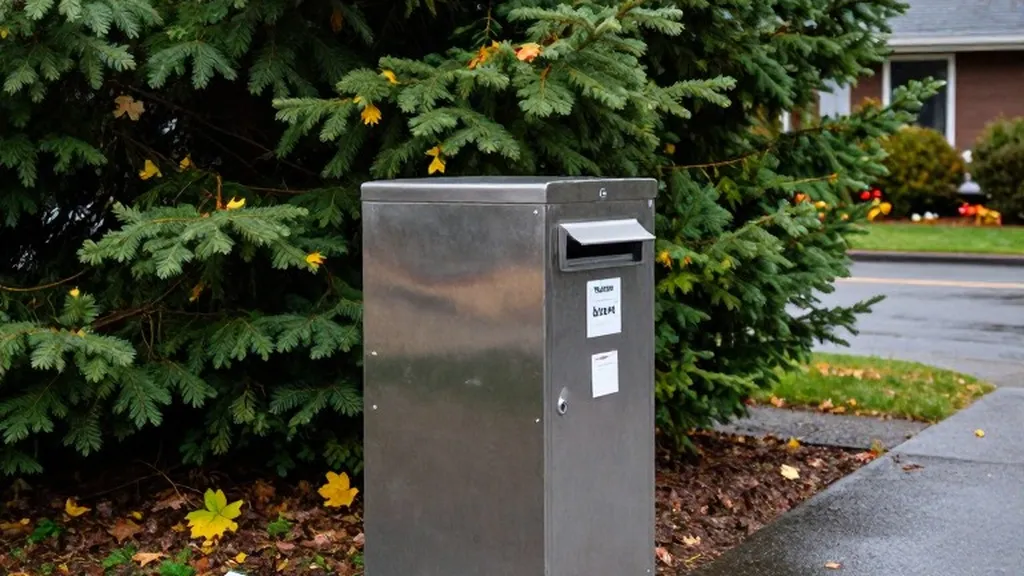
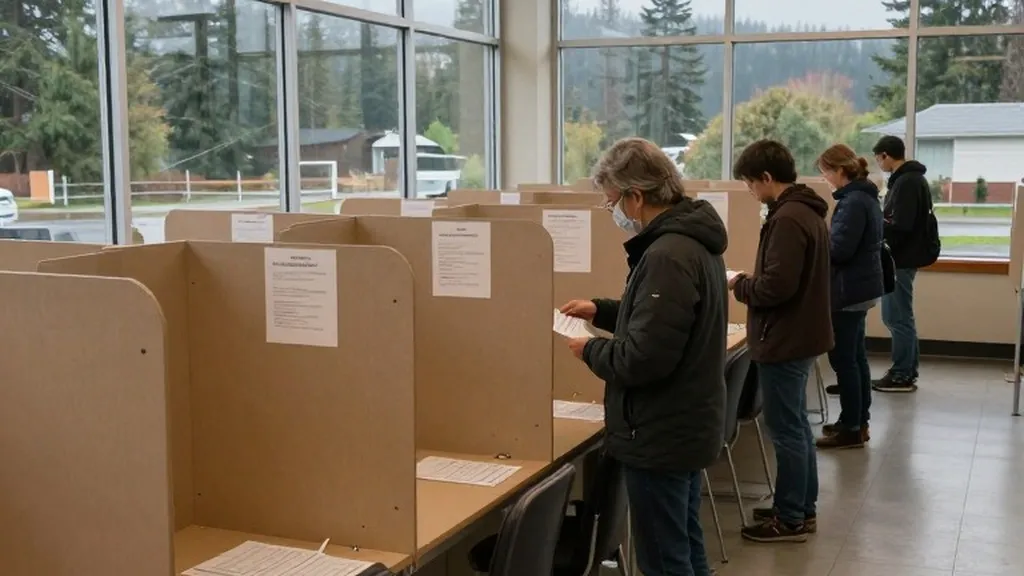
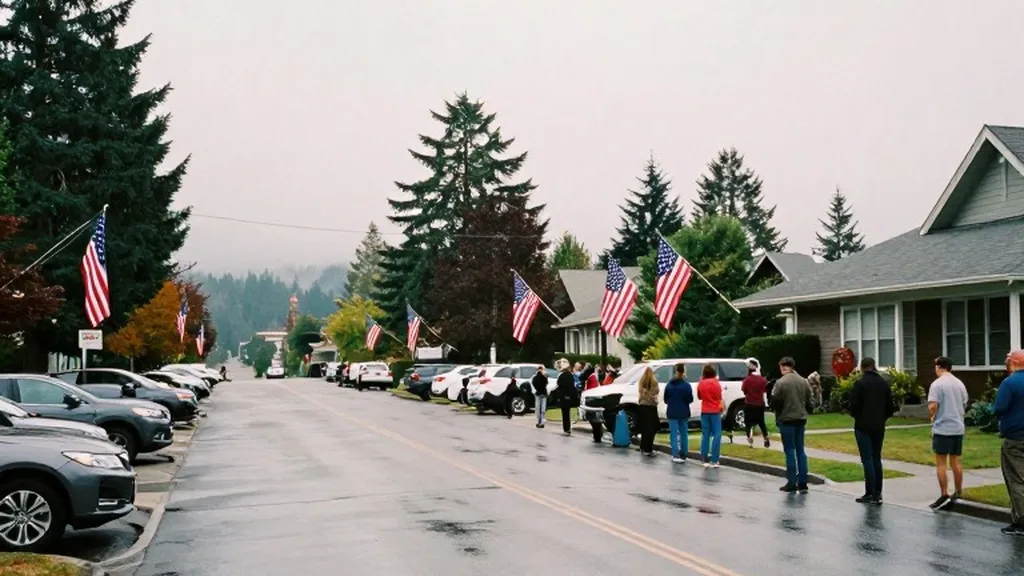
Voters across the Pacific Northwest are heading to the polls or casting mail-in ballots on a day marked by significant legal interventions in the election process. The Associated Press reports that the day is shaping up as a referendum on the administration's handling of the cost of living and the conflict with Iran. In Washington state, where polls close at 8 p.m. local time, there is no race for the U.S. Senate or the governorship. The state relies heavily on mail-in voting, a system that has become a focal point for recent administrative actions. In Oregon, polls are open from 7 a.m. to 8 p.m., with voters deciding the open seats for both the U.S. Senate and the governorship. Idaho polls are open from 8 a.m. to 8 p.m., featuring incumbent Senator Jim Risch and Governor Brad Little on the ballot. Alaska polls open at 7 a.m. and close at 8 p.m., with incumbent Senator Dan Sullivan and an open governorship on the ballot. Hawaii polls are open from 7 a.m. to 7 p.m., with incumbent Governor Joshua Green running for re-election.
A federal judge issued a temporary bar on Monday against the Trump administration's plan to prevent noncitizen voting, a move critics argue risks disenfranchising eligible voters. The ruling infringes on the states' traditional authority over elections, according to the Associated Press. This legal development comes as the administration has continued to press its stance on voter eligibility, including in Alaska and California. In California, a separate judge ordered the administration to stop demanding that election officials segregate ballots cast by people on lists of suspected noncitizens. These rulings provide a measure of relief to election officials who have been preparing for potential disruptions in their counting processes.
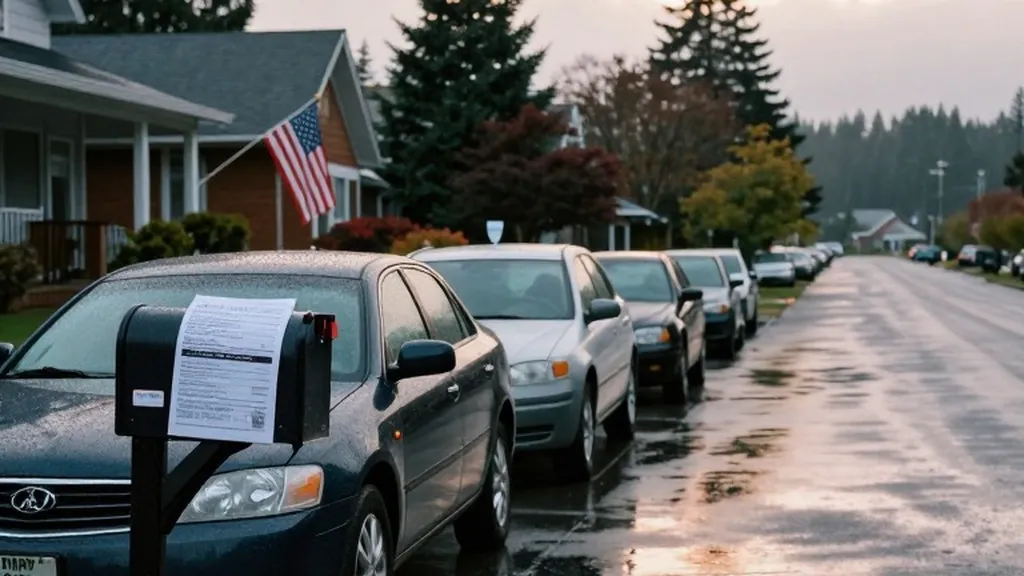
The U.S. Postal Service has implemented additional measures to ensure that mail ballots are counted on time, adding extra hours and staff to handle the volume of incoming ballots. This is particularly relevant for states like Washington, Oregon, and Hawaii, where mail voting is a primary method of participation. The Postal Service's efforts aim to mitigate delays that could occur in the final days of the election. In Alaska, the Trump administration filed a lawsuit related to the certification of the Senate result, adding another layer of legal complexity to the day's proceedings. The Associated Press notes that these legal battles are part of a broader strategy by the administration to assert its position on voting fraud claims.
Democratic leaders have expressed cautious optimism about the day's proceedings, with Rep. Suzan DelBene stating that the American people are angry and want change. The DCCC Chair emphasized the importance of turnout in securing a majority in the House. Republicans, meanwhile, are bracing for potential losses in the House while fighting to hold the Senate. RNC Chairman Joe Gruters noted that everything depends on turnout, asserting that their planning has focused on getting their voters to the polls. The Associated Press reports that Republicans can lose no more than two House seats to maintain their majority, while Democrats need a net gain of three districts to take control of the chamber.
In the Senate, Democrats need a net gain of four seats to secure a majority, a goal that has made several races in the region and across the country highly competitive. The Associated Press highlights that the administration's lawsuits in Alaska and California are part of a broader effort to challenge voting procedures. Critics fear that these actions could lead to interference and intimidation of local election officials, particularly as the Justice Department threatens to prosecute those involved in counting votes. The legal landscape has added a layer of uncertainty to an already high-stakes midterm election.
Voters in the Pacific Northwest are weighing these developments against their own economic concerns. The Associated Press notes that more than 57 million people had already voted as of Monday, surpassing early vote totals from four years ago. In Oregon, the open Senate race has drawn attention due to the state's history of competitive elections. In Alaska, the lawsuit filed by the administration regarding the Senate result has raised questions about the final certification of the vote. The Associated Press reports that the Trump administration has continued to make claims about noncitizen voting, a central theme in their messaging to voters.
The Postal Service's expanded operations are a critical component of ensuring that all mail ballots are processed in a timely manner. In Washington, where the state relies almost exclusively on mail voting, any delays could have a significant impact on the final tally. The Associated Press reports that the administration's plan to prevent noncitizen voting was temporarily blocked, allowing state officials to proceed with their standard counting procedures. In Oregon, the open governor's race is also a key focus, with voters looking to establish a new direction for the state's executive branch.
Idaho voters are also engaged in the process, with polls open until 8 p.m. The state has a stable Republican presence in the Senate and governor's office, but the Associated Press notes that the administration's focus on voting rules has heightened scrutiny of the process. In Hawaii, the mail-in system is central to the election, and the Postal Service's added staff is helping to manage the flow of ballots. The Associated Press reports that the administration's legal actions have created a complex environment for election officials, who are working to ensure accuracy and fairness.
Alaska's election is also under legal scrutiny, with the administration's lawsuit potentially affecting the certification of the Senate result. The Associated Press notes that this legal battle is part of a broader pattern of challenges to voting procedures in key states. In the Pacific Northwest, the combination of mail voting and recent court rulings has made the day's outcome particularly dependent on administrative efficiency. The Associated Press reports that voters are aware of these developments and are participating in high numbers, with early vote totals already exceeding previous midterms.