Voters head to polls as federal legal challenges stall
Supreme Court rulings blocked administration efforts to alter state processes just before the final day of counting began.
By Chioma Rogers ·
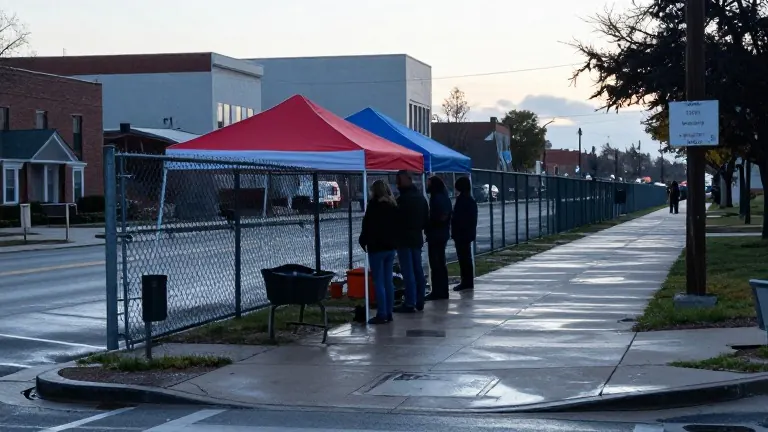
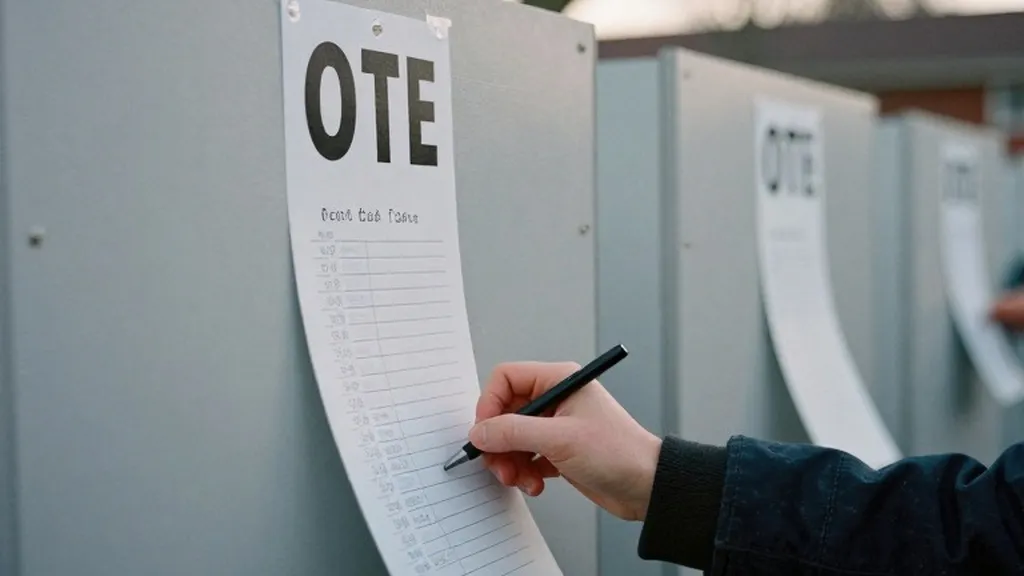
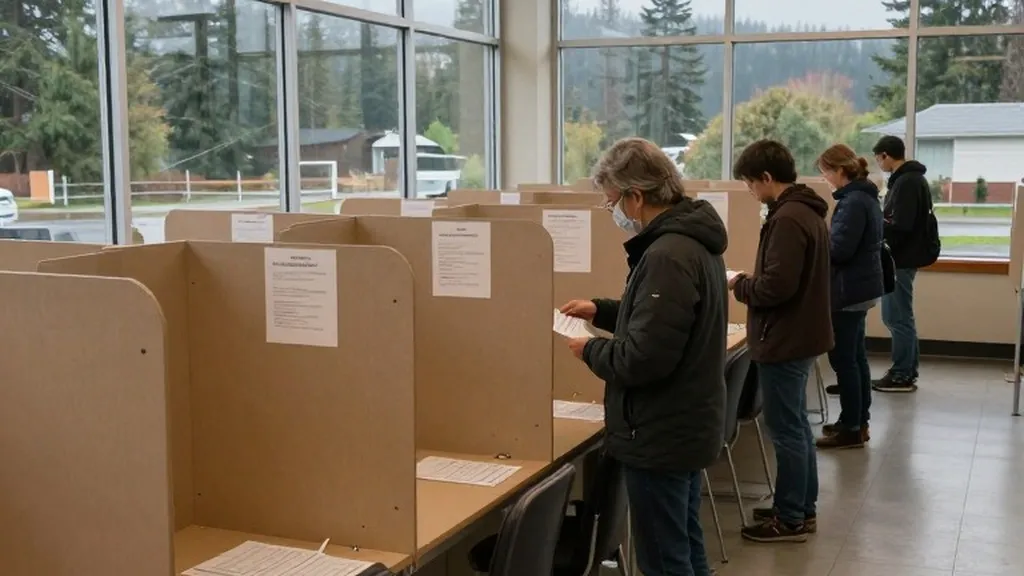
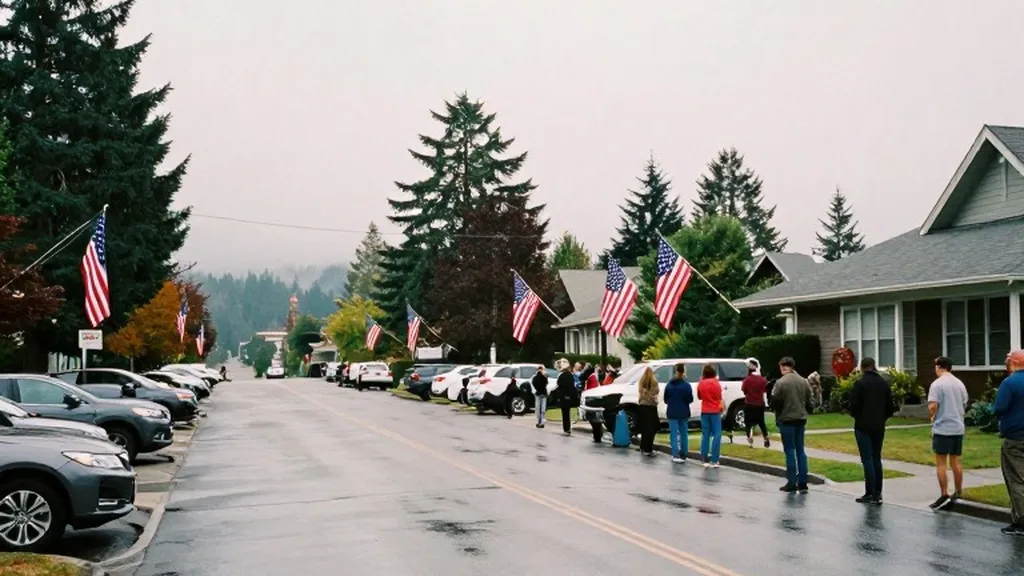
Polling places opened at 6 a.m. Eastern Standard Time on Tuesday in states including New York, New Jersey, and Virginia. The day marked the end of a cycle where President Donald Trump attempted to influence state election procedures. His administration had expressed doubt about Republican prospects while simultaneously deploying federal resources to oversee the vote.
Early voting turnout is currently tracking above levels from the previous midterm cycle. Millions of Americans cast ballots before the final day. Despite ongoing rhetoric from the White House regarding election integrity, officials reported few operational issues during the early voting period. This high participation rate contrasts with the administration's use of presidential power to sway races that will determine control of Congress.
The Justice and Homeland Security departments conducted a high-profile search for non-citizen voters. This effort included a pre-dawn operation in California that led to more than two dozen arrests. The Department of Justice prepared its largest monitoring effort for Election Day polling places. Democratic groups and allies deployed an even larger number of monitors to observe the process.
Legal battles intensified in the days before Tuesday. The administration filed a lawsuit at the president's request to block the certification of Alaska's results if the Senate race favored Democrats. Election officials and Democratic groups prepared for potential disruptions such as immigration agents at the polls or the seizure of voting machines. The administration maintained that no armed federal officials would be stationed at voting locations.
None of the major disruption scenarios feared by Democrats materialized in the days leading up to the vote. Courts blocked most of the Republican administration's legal maneuvers. A key victory for state election authorities occurred on Monday night when the U.S. Supreme Court rejected the administration's push to force California to set aside thousands of ballots. The decision was part of the federal search for non-citizen voters.
A federal judge issued a separate ruling on Monday night. The judge ordered the Trump administration to stop sending lists of alleged non-citizens to state election officials. These rulings follow another Supreme Court defeat for the president less than two months earlier. The court had rejected his attempt to limit mail balloting through changes at the Postal Service.
Executive orders during the current term have sought to federalize aspects of elections. The Constitution generally grants this authority to the states and sometimes Congress. The administration's record of arrests and charges aligns with prior research and state investigations showing that non-citizens casting ballots are extremely rare. Election law experts noted that while the administration's lawsuits go beyond historic norms, the legal arguments were unlikely to convince the courts.
Weather conditions affected proceedings in the Southwest. Heavy rains and flash flooding in parts of Colorado, Arizona, Utah, and New Mexico were expected to impede voters. Election administrators in the Navajo Nation announced changes to several polling locations. In Utah's rural San Juan County, voters were permitted to cast electronic ballots on Tuesday due to access issues.
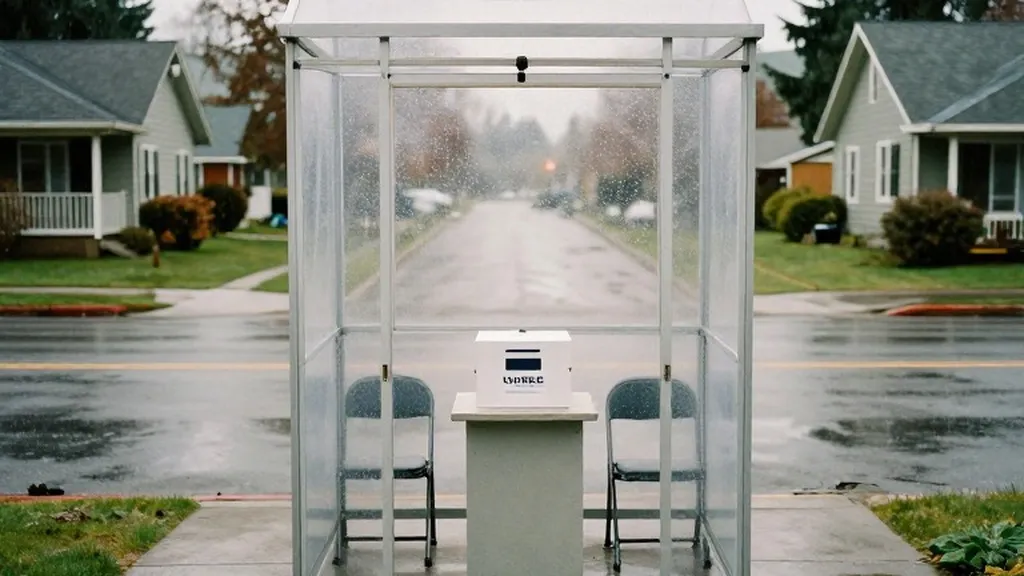
Voting rights advocates advised those with late absentee ballots to use drop boxes or deliver them in person. This guidance came after concerns that recent changes in U.S. Postal Service operations could cause postmarking delays. In this year's primaries in California, Oregon, and Washington, late-arriving or late-postmarked ballots disenfranchised tens of thousands of voters who typically receive ballots by mail.
A flurry of legal filings among voting rights groups, Democrats, and the Justice Department marked the period leading up to Election Day. These disputes centered on alleged non-citizen voters, federal election monitors, and the intimidation of election officials. President Trump continued to offer qualified answers regarding the legitimacy of the results. Stated to a reporter a week prior, he said, “I will if they are honest.”
Source: ABC News
More Politics · National news · Report a business · Got a Story?