Israel casts ballots in Netanyahu-Eisenkot contest
Polling stations opened at 7 a.m. local time for the first parliamentary election since the October 2023 attacks.
By Claire Castillo ·
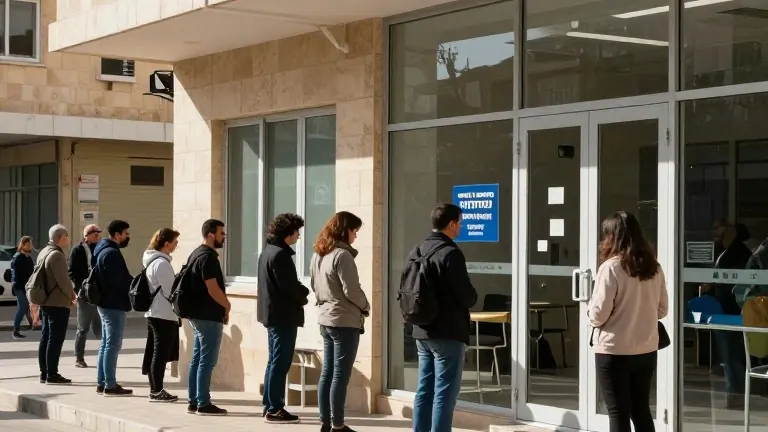
Benjamin Netanyahu and Gadi Eisenkot began their decisive contest for leadership of the Israeli government on Tuesday as citizens entered polling stations to select the country’s next parliament. Netanyahu, who has served as prime minister for more than 19 years across three terms, seeks to retain his position against Eisenkot, a former military chief of staff leading the Yashar party. The election marks the first parliamentary vote in Israel since the attacks of October 7, 2023.
Netanyahu’s current coalition, composed of right-wing, far-right, and ultra-Orthodox parties, took office in December 2022. It became the first Israeli government since 1988 to complete a full four-year term. However, recent polling indicates that his bloc may struggle to secure the 61 seats required for a parliamentary majority. Current projections place Netanyahu’s coalition at approximately 50 seats. Eisenkot’s party is projected to outperform Likud in the polls, yet neither the opposition nor the incumbent bloc is expected to command a majority independently.
A total of 36 electoral lists are competing for the 120 seats in the Knesset to form the country’s 38th government. Palestinian-led parties are expected to win between 14 and 16 seats combined. This outcome could grant them influence in government formation, although both major political camps have stated they will not include these parties in a governing coalition. Palestinian citizens of Israel constitute approximately 18 percent of eligible voters, totaling about 1.17 million people.
Turnout among Palestinian voters is a key factor in the current election. Pollsters suggest that a turnout rate of 60 to 70 percent, an increase from the 53 percent recorded in 2022, would allow the Ra’am and Joint List parties to secure their projected seats. The Arab48 news outlet reported high early turnout in Palestinian-majority towns on Tuesday morning. This participation level may determine the final balance of power in the new legislature.
Polling stations opened at 7 a.m. local time and are scheduled to close at 10 p.m. local time. Israeli television channels will broadcast exit polls immediately after voting ends. Unofficial results are expected to be available overnight. The full count of votes is anticipated by October 30, while the official results are due on November 4.
Source: Middle East Eye