Serbia Students Force Right-Wing President Out in Landmark Election
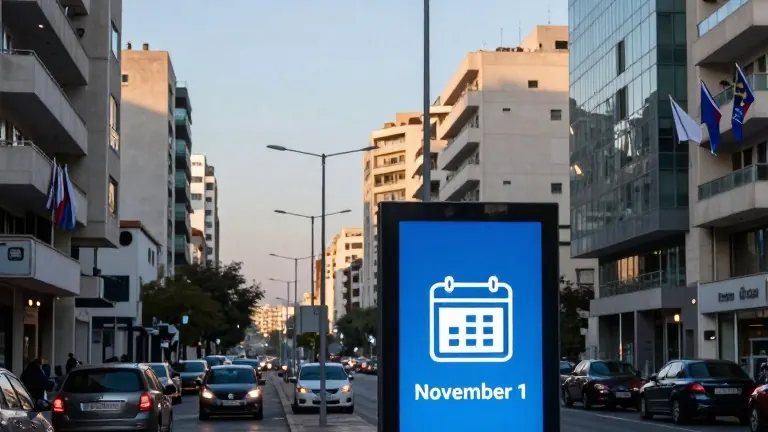
A youth-led opposition bloc secured a majority to end long-standing rule, with new leadership set to be formally confirmed in early November.
By Chioma Rogers ·
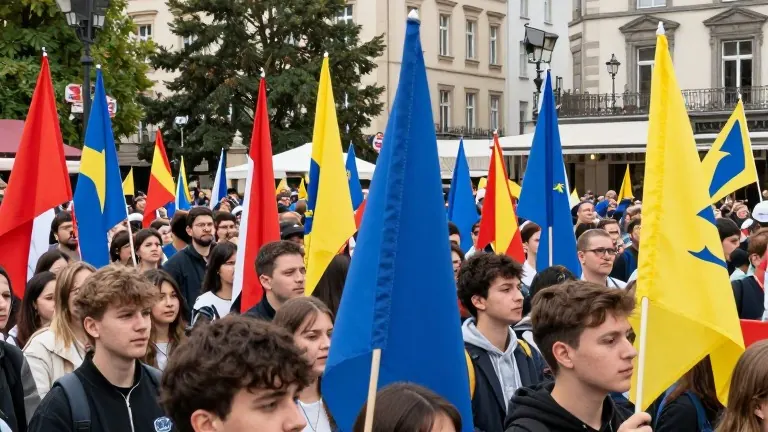
Voters across Serbia have voted to end the long tenure of President Aleksandar Vučić, handing power to a coalition driven largely by student activists. The election marked a decisive shift for citizens who had faced rising costs and administrative hurdles under the previous administration. The opposition bloc won enough seats to control the legislative body, removing the former right-wing leader from his primary position of influence.
The movement began with student protests in the spring of 2026 that criticized the government’s handling of public projects and housing shortages. These demonstrations grew into a national campaign that united various opposition parties. The coalition focused its message on reducing bureaucracy and increasing transparency in public spending. It appealed to working families who felt disconnected from the political center in Belgrade.
The election results were tallied by the state electoral commission on October 26. The opposition bloc captured a clear majority of the parliamentary seats, while Vučić’s party saw its representation drop sharply. This outcome allows the new coalition to form a government and pass legislation without needing support from the previous ruling party. The shift signals a change in how public health and environmental policies will be debated and implemented in the coming months.
Student leaders who spearheaded the campaign expressed gratitude for the mandate received from the public. They emphasized that their primary goal was to ensure every citizen could participate in local decision-making processes. The group promised to publish detailed budgets for all major infrastructure projects. This commitment aims to address long-standing concerns about construction quality and cost overruns that had plagued several cities.
Political analysts noted that this transition represents the most substantial change in Serbian leadership in a decade. The new leadership faces immediate challenges regarding economic stability and international relations. They must also manage expectations set by a highly mobilized youth electorate. The government will need to balance social demands with fiscal realities as it begins its term.
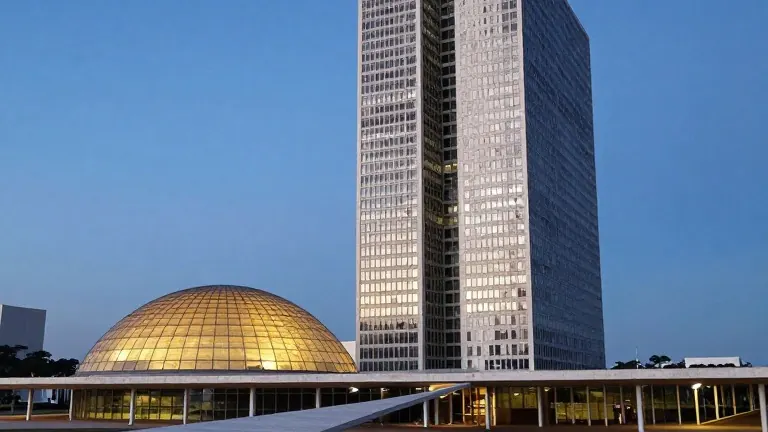
The formal confirmation of the new parliament is scheduled for the first week of November. During this period, the outgoing administration will remain in a caretaker role. The new president, selected by the parliamentary majority, will be sworn in before the full assembly. This ceremony will take place in the National Assembly building in Belgrade, concluding the transition of power.
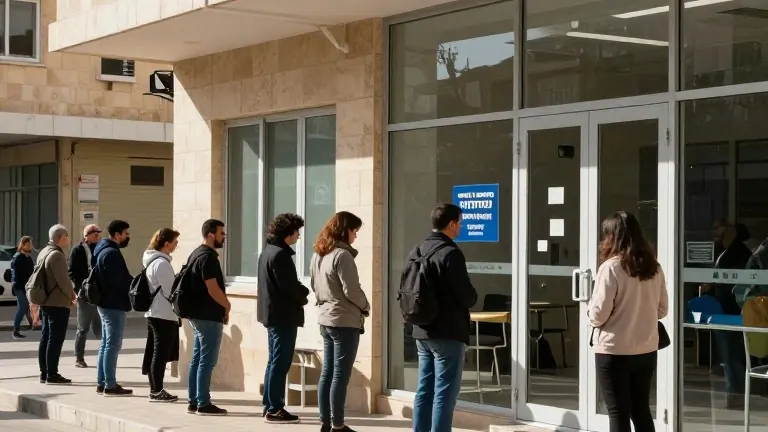
Local election offices reported high turnout rates compared to previous national votes. Many first-time voters participated, reflecting the demographic impact of the student-driven campaign. The results were accepted by all major parties, with no formal disputes lodged with the electoral commission. This smooth acceptance of the outcome helps stabilize the political environment for the incoming government.
Source: Cascade PBS