US-Iran Conflict: Strikes planned after November 3 vote
Leaders coordinate military timing around the midterms while public disapproval of the war reaches two-thirds.
By Kwame Montgomery ·
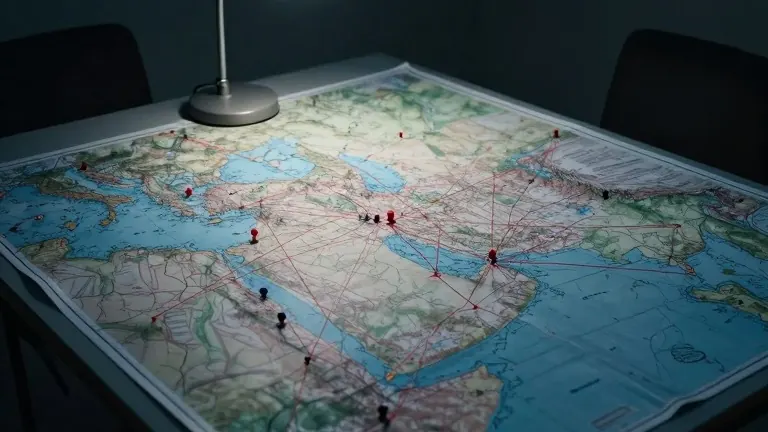
American and Israeli leaders are preparing to resume military strikes on Iran, but they are waiting for the US midterm elections to conclude first. The next major round of attacks is scheduled for the days following November 3. This timing coincides with an Israeli election taking place this week.
President Donald Trump and Israeli Prime Minister Benjamin Netanyahu have spent weeks discussing the schedule for renewed bombing. Reports indicate that the two governments are actively preparing for a major escalation. The decision to wait until after the American vote reflects a strategic calculation by both leaders.
Netanyahu reportedly preferred to launch attacks before either nation went to the polls. He has officially denied wanting to time the war to avoid voters, but the sequence of events aligns with his past tactics. Using an ongoing conflict has historically helped shield him from political and legal scrutiny.
Trump has publicly stated that the US will not conduct another attack until after November 3. His administration views the post-election window as the appropriate time to act. Both leaders have previously argued that renewed attacks are necessary to protect the American people from an imminent threat.
The necessity of the war has not changed between the voting days and the days following them. The primary driver for the delay appears to be the calendar rather than a shift in military urgency. The conflict remains deeply unpopular with the American public.
Current polls show that approximately two-thirds of Americans disapprove of Trump’s Iran policy. Many voters cite rising energy prices as a primary concern. Despite this widespread opposition, the administration is set to escalate military operations in the coming weeks.
Presidents have frequently timed unpopular decisions to occur after elections to reduce political fallout. George W. Bush waited until after the 2006 midterms to launch his Iraq surge. Barack Obama delayed controversial regulations until after the 2012 and 2014 elections. George H.W. Bush announced his Gulf military buildup two days after the 1990 midterms.
Woodrow Wilson, Franklin D. Roosevelt, and Lyndon Johnson also campaigned on staying out of wars only to change course after winning office. These historical precedents show that timing military actions around election cycles is a common practice in Washington. The current strategy fits this established pattern of executive behavior.
The next few weeks will determine the pace of the conflict. Once the midterms are over, the political pressure to justify the strikes diminishes for several years. The administration will have ample time to execute the planned operations without facing immediate voter backlash.
The preparation for these strikes continues as the election day approaches. The coordination between the two governments remains active. The specific start date for the bombing campaign has not been publicly announced, but it is expected to fall immediately after November 3.
Source: The San Diego Union-Tribune