640,000 Young Israelis Face Decision Over 12 Knesset Seats
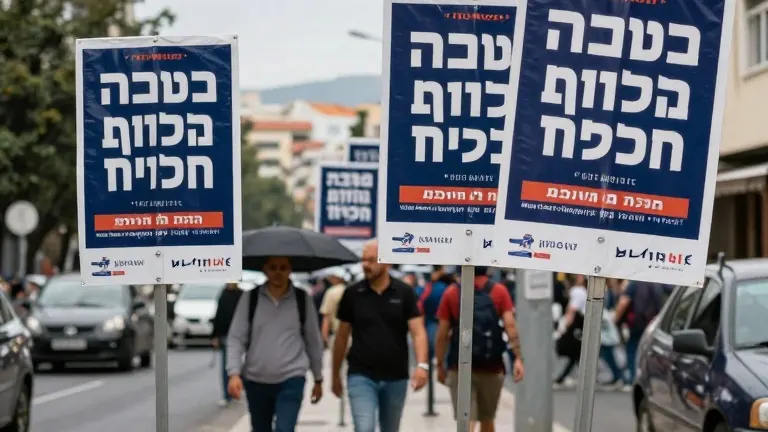
With turnout rates projected to reach 80% or higher, the voting bloc of 18-to-22-year-olds could determine the balance of power in Tuesday's election.
By Claire Castillo ·
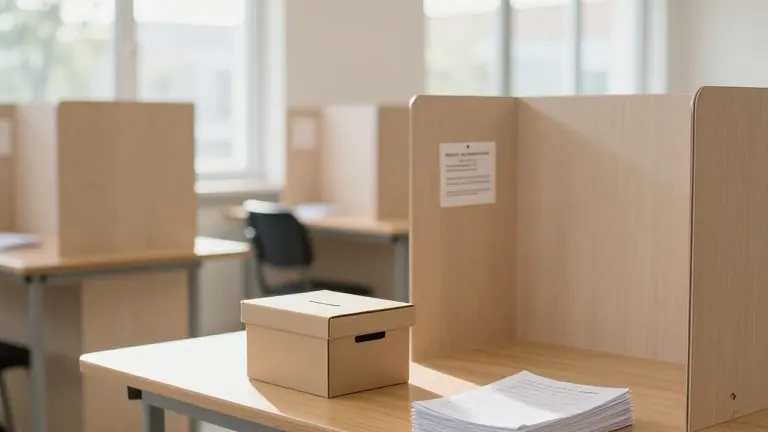
Yael Chernyvsky, 18, will step into a polling station in Ramat Hasharon on October 27 to cast her first ballot.
The Israel Democracy Institute estimates that 640,000 Israelis aged 18 to 22 are eligible to vote in Tuesday's election. This group represents nearly 10% of the total electorate. Their collective choices could determine as many as 12 seats in the 120-member Knesset.
Tammy Hoffman, head of the education policy program at the Institute, noted that Israel has a high birth rate. She stated that research suggests high turnout among this demographic. If these voters participate as expected, their influence on the final seat count will be tangible.
Chernyvsky, who is studying in an army preparation program in the Negev, plans to vote for one of the opposition parties in the "change bloc." She has not selected a specific party but leans toward the Democrats led by Yair Golan or Yashar led by Gadi Eisenkot. She criticized the current government led by Prime Minister Benjamin Netanyahu for its handling of the war and economic policies.
A May survey by the Institute found that 80% to 95% of potential young Jewish and Arab voters said they would likely vote. Secular Jewish youth expressed the highest certainty, while 87% of Arab respondents said they intend to participate. This figure exceeds the 47% youth turnout recorded in the 2024 United States presidential election.
National security and the cost of living emerged as the top priorities for these young voters. Hoffman explained that this generation lived through the pandemic, judicial reform protests, and the October 7 attack during their adolescence. Many are currently serving in the Israel Defense Forces or preparing for military service, which shapes their political views.
A September poll by N12 found that 74% of young people described their views as right-wing or center-right. However, mock elections in high schools showed a different trend, with many students voting for opposition parties like Yashar and Beyachad. Omer Gross from Jerusalem plans to vote for the Religious Zionist party, while his friend Tomer Shiloh from Herzeliyah will support the Change bloc. Both are in army-preparation programs in the Golan Heights.
Sgt. M, a 22-year-old reservist, is voting for the left-of-center Democrats party due to economic concerns regarding tuition and housing costs. Khalel Alaa Sabeh, 18, from Shef-Amra, plans to vote for an Arab party to address resource gaps and crime. He urged his friends to vote on October 27, stating he wants to see change in the country.
Source: The Jerusalem Post