Lula’s digital army helped flip Brazil’s presidential election
A WhatsApp channel led by a congressman mobilized millions of supporters to reverse a first-round deficit and secure a victory on October 25.
By Claire Castillo ·
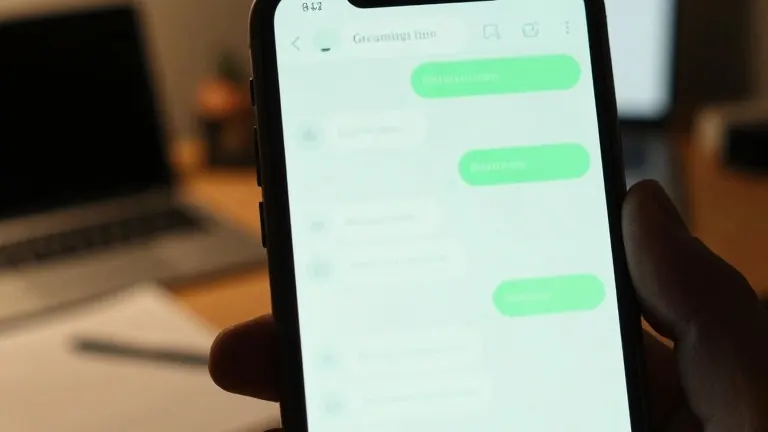
Brazil’s left wing adopted the digital tactics of the right to win back the presidency. For three weeks in October, a WhatsApp group known as Lula’s Army coordinated millions of voters to reverse a deficit and secure a win for President Luiz Inácio Lula da Silva.
The strategy emerged after Lula lost the first-round vote on October 4 to right-wing senator Flávio Bolsonaro. Lula’s team had previously underestimated the power of social media, a tool that had driven Jair Bolsonaro’s 2018 victory. Lucas Fernandes, a political analyst at BMJ Consultores Associados, noted that the right applied digital tools on multiple fronts while the left failed to make that transition initially.
Congressman André Janones, a representative from Minas Gerais, transformed his existing WhatsApp channel into a virtual command center. The group grew from 50,000 followers before the first round to nearly 11 million in three weeks. Janones issued daily instructions, which he called missions, to his supporters.
The directives were specific and intense. Janones told members to promote hashtags, comment on livestreams, share videos, and publish photos making the L hand gesture in support of Lula. He also instructed supporters to bang pots and pans during a TV interview with Flávio Bolsonaro to boycott the broadcast. Janones warned members not to comment on opponents’ posts, explaining that engagement could boost visibility through algorithms.
The pace of the campaign required constant attention. On October 17, Janones wrote in the channel that a soldier could rest only if they found a replacement. He instructed the new member to take the cell phone and return in ten minutes. Viktor Chagas, a professor at Fluminense Federal University, described this approach as gamification, creating a sense of collective purpose that was absent even in Lula’s 2022 campaign.
Leonardo Magalhães Firmino, chief executive of IPSE Global, compared the method to training thousands of small social media managers. The centralized command instructed members to create and disseminate content, not just share official lines. This differed from the right’s strategy, which relied on a few major influencers.
The digital push was not without controversy. A manipulated image of soccer legend Ronaldo wearing a jersey with Lula’s ballot number, 13, went viral. Brazilian fact-checking outlet Agência Lupa reported the image was created by a Colombian artist using artificial intelligence. Ronaldo’s representatives said the image was used without authorization. On October 11, a supreme court judge suspended the WhatsApp group following a complaint from Bolsonaro’s campaign, a decision that was later overturned.
Firmino said the right underestimated Janones because he spoke only to converted supporters. The goal was to mobilize these soldiers to reach undecided voters and those considering abstention through personal networks. Firmino stated that without this organized militancy, the comeback likely would not have happened.
For Veridiana Cunha, a 48-year-old copy editor in São Paulo, the campaign provided a purpose. Her mother, a Lula supporter, was ill in August, preventing Cunha from voting in the first round. She checked WhatsApp every few minutes during work to follow instructions. On election day, a friend who was considering abstention went to the polls and voted for Lula. Cunha said she managed to change a vote.
Lula won the election on October 25. Analysts attribute the victory to factors including electoral participation and vote redistribution, but also to this digital mobilization. Cunha described the experience as a kind of post-traumatic stress, noting that supporters are exhausted but feel ready for more missions.
Source: CNN