Grocery Costs: Aldi's Limited Model Drives Down Prices
The German chain plans to exceed 3,000 U.S. stores by 2028, forcing competitors to cut markups by up to 7 percent.
By Chioma Rogers ·
Shoppers in areas where Aldi stores open are seeing their grocery bills drop. According to an analysis published in late 2023, local grocery chains reduced their markups by approximately 7 percent in regions where Lidl, a German grocer with a similar business model, expanded its footprint. This price pressure is intensifying as Aldi accelerates its own growth in the American market.
Aldi aims to operate more than 3,000 locations in the United States by the end of 2028. That number would place it behind only Walmart in total store count. In 2024, the company generated roughly $29 billion in U.S. sales, surpassing the revenue of Trader Joe's. Food reporter Deena Shanker noted that her months of comparison shopping found Aldi prices either matched Walmart or came in slightly lower.
The chain’s low costs stem from two specific strategies. First, more than 80 percent of items on Aldi shelves are private-label products. These are store-brand versions of national items, such as cookies that resemble Oreos or crackers that mimic Ritz. By manufacturing their own goods, Aldi avoids paying brand markups. Second, the stores stock a limited selection of essentials. This approach allows the company to buy in bulk and reduces costs associated with spoilage and shelf space.
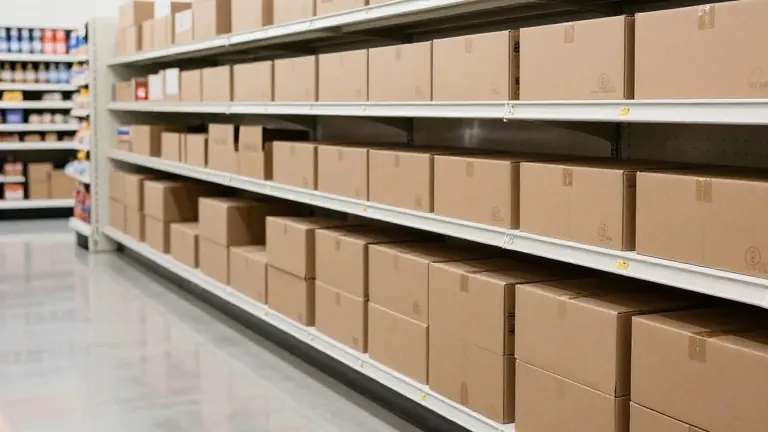
The store environment reflects these cost-saving measures. There is no music playing, and staff often place products on shelves while they are still in their cardboard shipping boxes. These choices reduce labor and licensing fees. The stores remain small and shabby by design, a trade-off for lower prices. Despite the minimalist setup, the company has introduced rotating special buys, including toys and specific product varieties like Honeycrisp apples, to attract a wider customer base.
Aldi was founded in 1946 by the Albrecht brothers in post-war Germany. Their initial strategy of stocking only one version of each essential item allowed them to keep overhead low. The company has maintained this model for 80 years. While other grocers like Kroger and Wegmans have announced defensive price reductions in response to Aldi’s growth, the German chain continues to expand its footprint in the United States.
The growth of Aldi is part of a larger shift in how American consumers shop. Since the pandemic, food costs have risen, prompting shoppers to seek out lower-priced options. Aldi’s model, which involves unbundling the traditional grocery store by selling fewer items, has proven effective in competing with larger chains that rely on economies of scale and extensive product variety.
Source: KNKX Public Radio
More Business · Rip-Off Report · Report a business · Got a Story?