Albertsons sues Kroger for $8 billion after antitrust regulators killed $25B deal
A Delaware judge will decide the case without a jury, with a ruling expected by mid-2027 after months of post-trial arguments and potential appeals.
By Kwame Montgomery ·
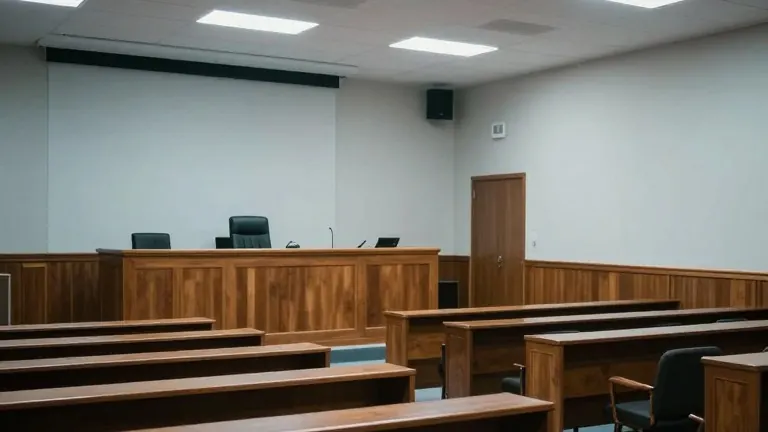
Albertsons Co. is seeking more than $8 billion in damages and interest from Kroger Co., following the collapse of their proposed $25 billion merger in 2024. The legal battle moved from negotiation to litigation after regulators blocked the deal, leaving the Boise-based grocery chain to pursue compensation through the Delaware Court of Chancery. Both companies spent the final two weeks of October presenting their cases before Vice Chancellor Lori Will, who will render the final decision alone without a jury.
The core dispute centers on how the companies handled the regulatory review process. Albertsons argues that Kroger failed to conduct sufficient due diligence to satisfy antitrust authorities. The grocery giant points to specific deficiencies in how Kroger managed the divestiture of hundreds of stores required to gain approval. This argument was supported by testimony from former and current executives who guided the merger talks.
Former CEOs Vivek Sankaran of Albertsons and Rodney McMullen of Kroger took the stand with sharply different accounts of the events. Sankaran led Albertsons during the initial phases, while McMullen guided Kroger. Both described the timeline of communications and decisions that led to the deal's failure. Their conflicting narratives painted a picture of a complex negotiation that unraveled under regulatory pressure.
Kroger countered that Albertsons worked behind the scenes to undermine the merger. The company specifically highlighted the actions of Susan Morris, who was chief operating officer at the time and is now Albertsons' CEO. Morris testified that she communicated with CNS, the third-party buyer for the divested stores, using her personal email. She stated she did this to avoid negotiating an employment contract through official Albertsons channels while the merger was still active.
Morris denied sharing confidential information about the merger or either company with CNS. She explained that CNS approached her with a plan to build its retail presence by leading the stores slated for sale. She said McMullen had discussed vague ideas about her future role in the combined entity but never provided specifics. Her testimony aimed to clarify her interactions with the third-party buyer during the critical regulatory period.
Vice Chancellor Will focused her questions on the technical details of the store divestitures. She examined the methodology used to select specific stores and the economic ratios applied in various proposals. The judge sought to understand how the companies determined which locations to sell to meet regulatory requirements. Her inquiries revealed a deep dive into the financial and operational mechanics of the failed deal.
The trial concluded in October, but the legal process will continue for months. Attorneys for both sides are scheduled to return to court around February for closing arguments. They will present written and oral arguments explaining how the witness testimony supports their respective claims. The judge will then take time to draft her opinion, which could take up to three months to finalize.
If either party disagrees with the ruling, they can appeal directly to the Delaware Supreme Court. An appeal would add another six months to a year to the timeline. The case, which has been pending since 2024, is not expected to be fully resolved until the midpoint of next year. The outcome will determine whether Albertsons receives compensation for the lost merger or if Kroger avoids the financial penalty.
Source: KBSM
More Business · Rip-Off Report · Report a business · Got a Story?