GM, Ford, Stellantis report rising costs as tariffs and diesel prices squeeze auto margins
Detroit automakers see revenue growth but face billions in expenses from materials and logistics, while EV sales stabilize after the federal tax credit expired.
By Kwame Montgomery ·
American automakers are facing a sharp rise in production costs even as their revenues climb. General Motors, Ford, and Stellantis all reported increased sales in the third quarter, but their executives warned that rising prices for steel, copper, and computer chips are eroding profit margins. The industry is grappling with supply chain disruptions that are making it more expensive to build and ship vehicles.
Revenue growth masks the financial strain. General Motors reported a 2.9% increase in revenue over the past year, while Ford saw a 2% rise and Stellantis a 1% gain. Sales of light-duty trucks drove much of this success. GM's truck sales rose 9%, and Stellantis pickup sales in the U.S. jumped 34%. Ford's F-Series remains a top seller. The average new vehicle transaction price reached just over $50,000 in September, a near-record high. Consumers are paying more for larger vehicles and high-end trims, which generate higher profits for the manufacturers.
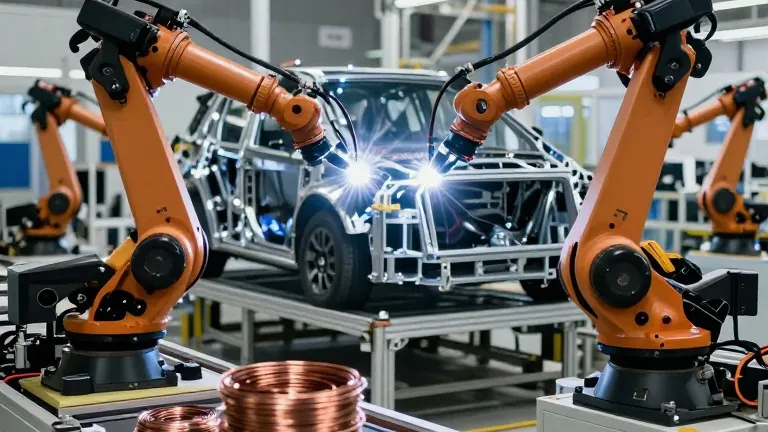
Input costs are the primary headwind. The Trump administration imposed additional tariffs on imported steel, aluminum, and copper in 2025. These materials form the structural frame and wiring of vehicles. Copper prices have also climbed due to global demand for electric vehicle batteries and data centers. Computer memory chips have become more expensive because of a tight supply chain and high demand from the artificial intelligence sector. GM forecast that material and diesel costs would add up to $2 billion in expenses for the company this year. Ford CEO Jim Farley cited a similar figure, noting that commodities and logistics costs would create a year-over-year headwind of about $2 billion.
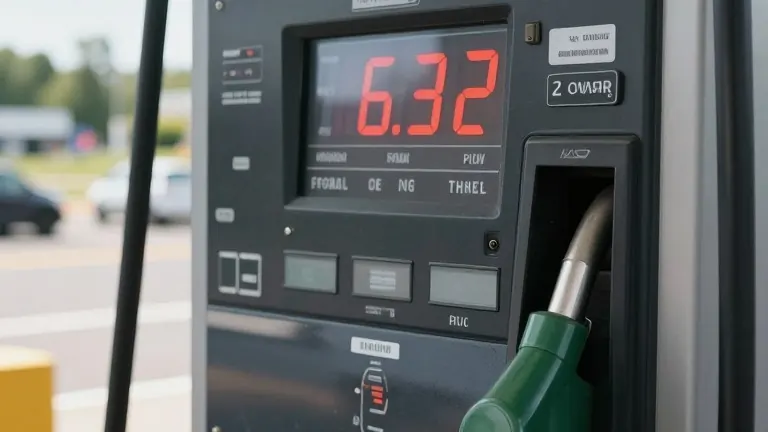
Diesel fuel prices are adding further pressure. The average price for a gallon of diesel has hovered around $6.35, close to its all-time high. High fuel costs increase the expense of shipping parts across the U.S.-Canada border, where supply chains are tightly integrated. Ford CFO Sherry Ann House stated that higher fuel prices are impacting freight and energy costs but have not yet reduced customer demand for trucks. GM CFO Paul Jacobson noted that the company is still paying about $2.5 billion in tariff costs, a figure lower than earlier forecasts due to refunds.
The electric vehicle market has stabilized after a period of decline. The $7,500 federal tax credit for EVs ended on September 30, 2025. Following that change, EV sales dropped nationally. GM reported its third-quarter sales fell 6% compared to the prior year, partly due to the smaller EV market. Tesla, which sells only electric vehicles, reported that its global sales fell during the quarter. However, EV sales have leveled out since the autumn drop. As of September, EVs account for about 6% of new car sales in the U.S., according to Edmunds. Hybrid vehicle sales have risen 27% in the past year as shoppers seek alternatives to expensive gasoline.
Tesla has regained market share in the U.S. electric vehicle segment. The company now captures almost 52% of new EV sales, a position it lost in 2024 and 2025. Analysts attribute this shift to other automakers scaling back their EV investments. Ivan Drury, director of industry insights at Edmunds, described Tesla as a default choice for many buyers. Meanwhile, Tesla CEO Elon Musk indicated that special committees at Tesla and SpaceX are discussing a potential merger. Musk told investors he believes it would be a good idea, but shareholders would need to support the move.
The industry faces a slow transition period. Sam Fiorani, vice president for Auto Forecast Solutions, noted that the auto sector moves slowly between vehicle generations. He expects the Detroit Three to offer more hybrid models in the coming years because the shift to fully electric vehicles will take longer than anticipated. Global demand for EVs remains strong, with over 30% of new cars in Europe and more than half in China being electric, according to the International Energy Agency. In the U.S., however, concerns about range, charging infrastructure, and battery replacement costs continue to limit adoption.
Source: KPBS
More Business · Rip-Off Report · Report a business · Got a Story?