Crystal Market: Buyers Warned of Fakes
TikTok views hit 20 billion as experts urge shoppers to test stones for glass, plastic, and undisclosed lab-grown origins.
By Claire Castillo ·
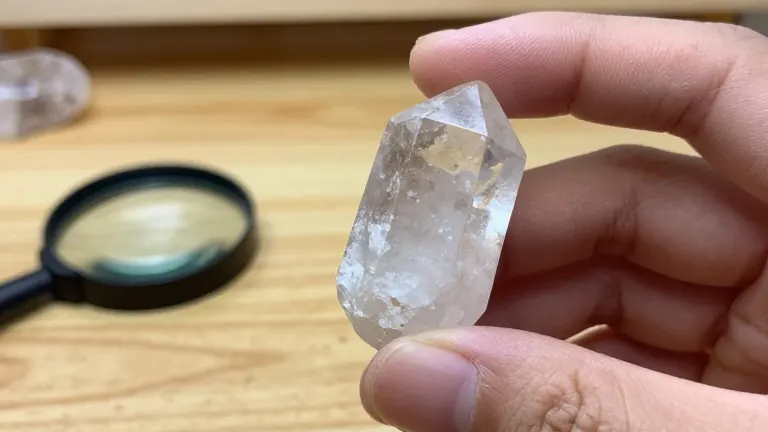
The global market for crystals and gemstones is expanding rapidly, driven by online visibility that has generated 20 billion views for the hashtag #crystals on TikTok. While demand rises, industry insiders warn that the surge in popularity has brought a corresponding increase in counterfeit products.
Jamie Inglett, owner of a crystal shop in Sedona, Ariz., said fake stones are available in retail stores and at gem shows. She noted that consumers must conduct their own research to verify purchases. Inglett, who has 215,106 Instagram followers, opened her physical storefront after establishing a successful online presence. She stated that buyers do not need to subscribe to the concept of crystal healing to appreciate the aesthetic value of the stones.
Shannon Wimberly, a collector with several years of experience, reported encountering fake crystals during her purchases. She said she has begun to scrutinize her acquisitions more closely since discovering imitations. "I absolutely know I’ve run into getting fake ones, so I started scrutinizing other things more and more," Wimberly said.
Inglett explained that lab-grown crystals are often sold as natural stones without disclosure. She cited a specific example of a lab-grown crystal purchased from a local Sedona shop for more than $100, which could be found online for between $5 and $20. "You’ll see hundreds of these, depending on the store. They’ll all look about the same," Inglett said. She added that some items are entirely synthetic, made from plastic or glass.
To identify fakes, Inglett recommends asking vendors for the origin of the stone. "Asking the shop, where is this from? And then they should at least be able to tell you the country of origin, if not the actual mine name," Inglett said. Physical tests can also reveal imitations. Glass fakes produce a different sound when tapped, do not feel cold to the touch, and often display unnatural dye patterns. Fake moldavite, a type of tektite, lacks the natural grooves and textures of genuine stones and appears too uniform in shape.
Inglett said lab-grown crystals are acceptable if sellers disclose the material clearly. The onus remains on the buyer to verify authenticity before completing a transaction.
Source: KPTV
More Business · Rip-Off Report · Report a business · Got a Story?