UC Irvine Hosts Forum to Realign Regional Transportation Strategy
Business leaders will convene on November 4 to discuss how electrification and autonomous tech reshape local supply chains.
By Chioma Rogers ·
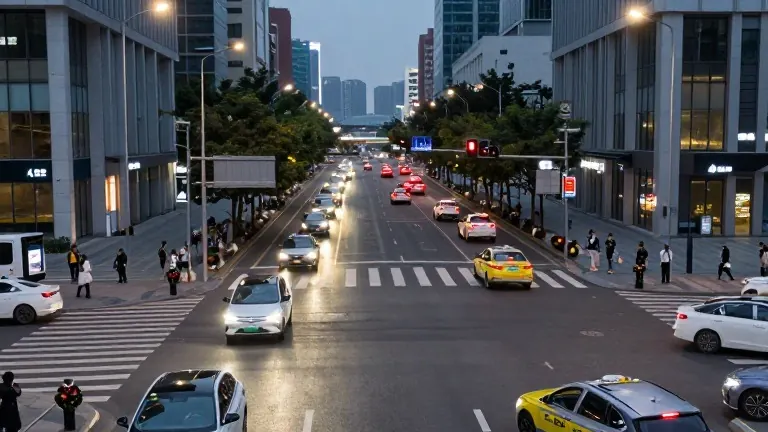
The shift from vehicle ownership to mobility services is forcing Southern California businesses to rethink their operational infrastructure. As autonomous rides and electric fleets become commercial realities, companies must determine how these technologies integrate with production, logistics, and customer delivery. The focus is moving away from the hardware itself and toward the business models that support it.
Orange County data illustrates this transition. Battery-electric vehicles represented 21.2% of new retail light-vehicle registrations in the first nine months of 2026. This figure is down from 27.5% the previous year, showing that adoption is not a linear climb. The region currently has 7,075 public EV charging ports, a network that Crosstown analyzed in May 2026. More than 80% of residents live within a 10-minute drive of a DC fast charger, a metric that matters for fleet operators and property managers coordinating power availability.
Autonomous technology is also entering the commercial sphere. Waymo operates fully autonomous rides in Los Angeles, marking a move from demonstration to daily service. For local manufacturers and insurers, this creates new questions about safety standards, software support, and liability. Businesses are no longer just buying cars; they are managing complex service ecosystems where reliability is a competitive advantage.
The 2028 Olympic and Paralympic Games in Los Angeles act as a catalyst for these changes. LA28 aims to be the cleanest U.S. Games in transportation history. Metro projects one million extra regional trips per day during the event. Caltrans is developing a Games Route Network to manage this influx. For Orange County hotels and businesses, the challenge is coordinating airport access, ground transportation, and venue connections while keeping employee and delivery schedules intact.
Planners are prioritizing resilience in this network. When a road closes, the system needs immediate alternatives. This requires shared information and clear responsibilities between public agencies and private providers. LA28 is also focusing on equity through its Removing Barriers and Creating Legacy program. Goals include fleet electrification, bus-priority corridors, and improved pedestrian access to ensure the system serves disabled visitors and lower-income workers.
Luyi Gui, an associate professor at the Paul Merage School of Business at UC Irvine, and Marques McCammon, president of Karma Automotive, have outlined these four shifts as central to the region's future. They argue that transportation innovation determines where companies invest and which partnerships succeed. The business community must align incentives across energy, property, and logistics sectors to make these changes permanent.
A Future of Transportation forum will address these issues on November 4. The event, part of the Merage School’s Future Series, will bring together Dean Ian O. Williamson and leaders from Hyundai Motor Group, John Wayne Airport, and Caltrans. Participants will discuss how to sustain new travel habits and service partnerships after the Games conclude.
Source: Orange County Business Journal
More Business · Rip-Off Report · Report a business · Got a Story?