Tesla’s Robots Are Learning From Each Other in a New Factory Academy
Tesla is using thousands of robots in its Fremont plant to generate the training data needed to make Optimus a viable commercial product.
By Gabriela Flores ·
The biggest hurdle for Tesla’s humanoid robot project is not building the hardware, but teaching it how to think. Without a massive fleet of cars on the road to send back driving data, the company faces a unique challenge in training its AI. The solution, revealed on this week's earnings call, is an internal ecosystem where robots teach themselves. This shift marks a pivotal moment as Tesla moves from prototype to mass production.
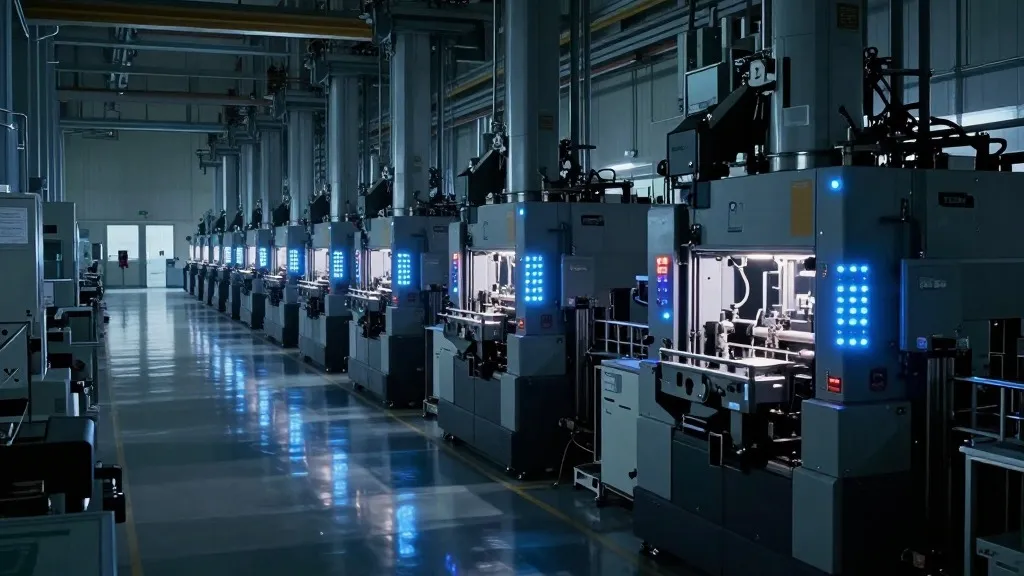
Tesla has officially started building Optimus on the high-volume line inside its Fremont factory. The space formerly used for Model S and X production was cleared in just 46 days this spring to accommodate a robot line sized for one million units annually. In its third-quarter shareholder letter, the company stated that the units coming off this line are the first to meet production-quality standards, proving the manufacturing process is suitable for a commercial product.
Elon Musk described the production ramp as a classic S-curve, noting that the initial growth will be a shallow slope before accelerating. He expects the team to finish refining the robot's AI, electromechanical design, and reliability by the end of next year. Once that work is complete, Tesla plans to begin delivering Optimus to outside companies for jobs that are dangerous, repetitive, and require around-the-clock operation. Output is currently set to climb toward roughly 20,000 robots per week as the line reaches full capacity.
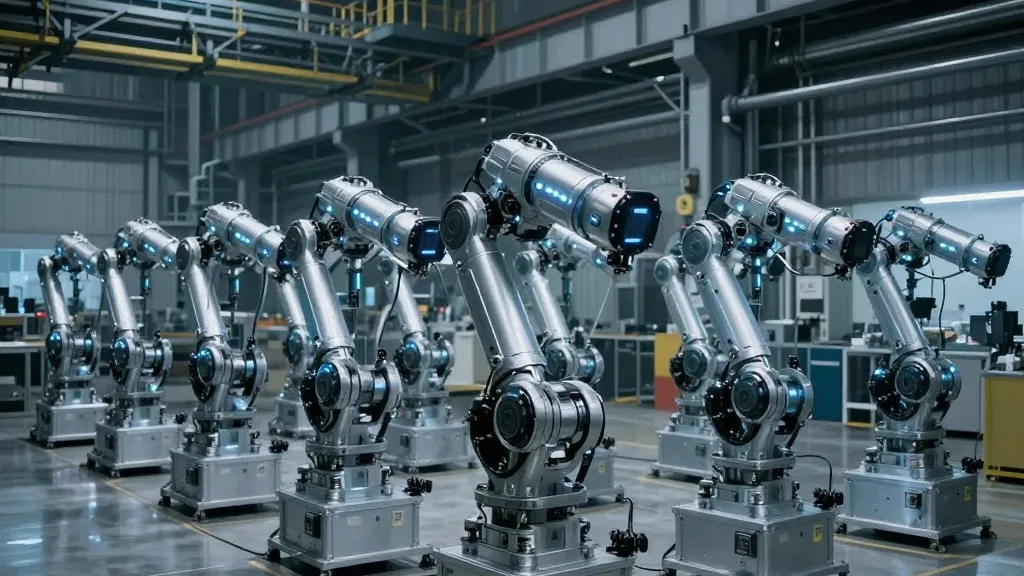
The core of the new strategy is the Optimus Academy. Since there is no existing fleet of robots to gather training data, Tesla will use 10,000 to 20,000 units within the facility to practice a wide range of tasks. Every robot produced on the Fremont line will feed its learned behaviors back into the central model, effectively allowing the hardware to improve collectively. Musk emphasized that this approach is a significant difference from their automotive data strategy.
Hardware upgrades are also on the horizon. Tesla plans to integrate its AI5 chip into the robots next year. Musk also promised a new video within one or two months that will show the robot completing tasks driven by AI rather than preprogrammed motions. He contrasted this with rival humanoid demos, which he argued only run scripted routines and would not hold up in real-world conditions.
The supply chain is already aligning with these ambitious goals. In September, Tesla certified Tuopu, Joyson, and Sanhua as mass production partners for key components. Meanwhile, a much larger Optimus factory is rising at Giga Texas, with drone footage showing the steel frame nearing completion. Musk has set a long-term target for that plant at 10 million robots per year. Executives noted that production costs are trending toward the expected manufacturing cost of the Cybercab, signaling that the robot is being engineered for volume from the start, though the hands remain the most difficult design challenge.
Source: Teslarati