SpaceX Rejects Military Launch Offers
Elon Musk’s company turned down three US Space Force contracts while facing new refueling hurdles for lunar missions.
By Mykola Bondarenko ·
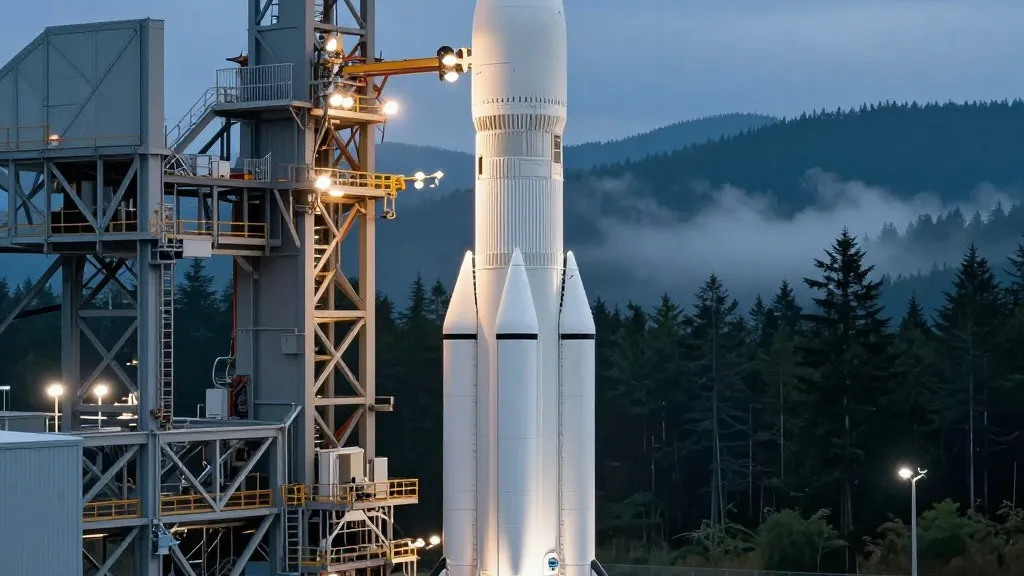
SpaceX has officially declined three launch contracts from the United States Space Force, a move that signals a significant shift in the company’s commercial strategy for this fiscal year. The rejection was announced this week, leaving military officials without the anticipated capacity boost they had planned for upcoming defense missions. This decision comes at a pivotal moment for the aerospace sector, as private firms increasingly dictate the pace of national security space operations. By saying no to the Space Force, SpaceX is prioritizing its internal production schedules and customer commitments over immediate government revenue, a bold calculation that could ripple through the broader launch market.
The timeline leading to this week’s announcement highlights the intense pressure the company is under to balance its diverse portfolio. Just days before the contract refusal, a NASA safety panel issued a report concerning the Starship vehicle. The panel indicated that a lunar landing mission using Starship might require up to 22 in-orbit refueling operations. This high number of refuelings raises concerns about mission complexity and safety, adding another layer of scrutiny to SpaceX’s flagship heavy-lift program. The combination of a major military rejection and technical challenges on the lunar front creates a complex narrative for the company as it navigates the fourth quarter.
While SpaceX dominates the headlines, other players in the launch industry are making steady progress. In Spain, PLD Space is nearing the final integration phase for its Miura 5 rocket. According to reports from Aviation Week, the vehicle is on track for its inaugural launch next year. CEO Raúl Torres confirmed in an October 19 program update that the company has already manufactured three of these small-lift vehicles. The first two were designed to qualify key system elements, allowing the engineering team to apply lessons learned directly to the launch vehicle. This iterative approach has enabled the teams to work continuously across different stages of production, ensuring that the final product reflects the most current data available.
The current status of the Miura 5 program shows that one second stage is now fully integrated. This stage has been moved to PLD’s test facility in Teruel to begin system-level testing under representative operating conditions. The qualification campaign includes a wet dress rehearsal and a static hot-fire test, critical steps that validate the vehicle’s readiness for flight. Torres noted that the manufacturing of these three vehicles allowed for a continuous workflow, where insights from each qualification campaign were immediately fed back into the development of the launch vehicle. This methodical process is bringing the first flight of the small-lift vehicle closer to its targeted date before mid-2027.
In Canada, the launch startup Reaction Dynamics is preparing for a significant capital raise. The company, one of three prominent launch startups in the country, is seeking to raise $350 million to expand its workforce. Currently employing 68 people, Reaction Dynamics aims to grow its staff to more than 350 individuals with the new funding. This expansion is crucial for the development of its Aurora rocket, a small-lift vehicle that the company hopes will reach orbit in 2028. The capital raise is a key milestone for Reaction Dynamics as it moves from development into full-scale production and testing phases, positioning itself to compete in the increasingly crowded small-lift market.
Beyond the Aurora, Reaction Dynamics has announced plans to develop a medium-lift rocket named Borealis. This next-generation vehicle is targeted for a debut by 2031, indicating the company’s long-term vision for expanding its payload capabilities. The dual-track approach of developing both small and medium-lift vehicles allows Reaction Dynamics to serve a wider range of customers and mission profiles. As the company works to secure the necessary funding, its progress will be closely watched by investors and industry analysts who are evaluating the sustainability of new entrants in the launch market.
The broader implications of these developments extend to the Pacific Northwest and other regions where space infrastructure is expanding. As established players like SpaceX adjust their contracts and new entrants like PLD Space and Reaction Dynamics accelerate their timelines, the competitive landscape is shifting. The refusal of military contracts by SpaceX may open doors for other providers to secure defense work, potentially benefiting companies that have been waiting for opportunities to prove their reliability. Meanwhile, the technical challenges facing Starship refueling highlight the ongoing engineering hurdles in achieving sustainable lunar access, a goal that remains central to both commercial and government space ambitions.
Looking ahead, the next three months will be critical for several key milestones. PLD Space must complete its system-level testing and static fire tests to maintain its mid-2027 launch target. Reaction Dynamics needs to close its funding round to begin hiring the additional personnel required for its Aurora and Borealis programs. For SpaceX, the focus will likely shift to managing its customer relationships and addressing the safety panel’s findings on Starship refueling. The interplay between these companies will define the trajectory of the launch industry in the coming year, with each firm vying for market share and technological superiority in a rapidly evolving space environment.
Source: Ars Technica