RBA hikes rate to 4.85% as oil shock fuels inflation
The central bank's fifth increase this year pushes mortgage costs up by $107 a month for the average borrower.
By Kwame Montgomery ·
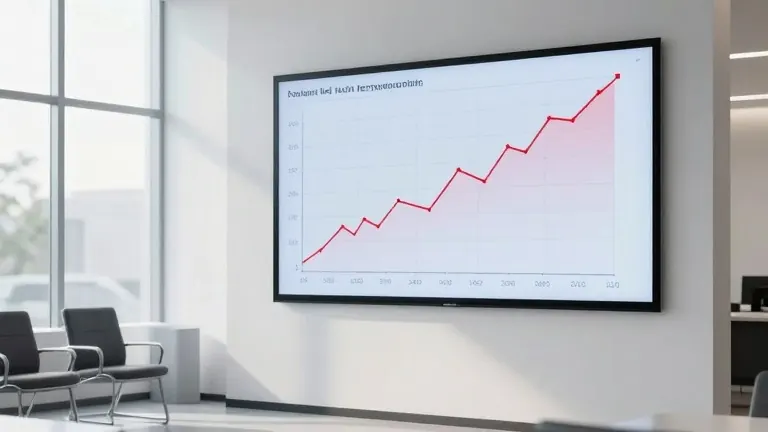
The Reserve Bank of Australia raised the cash rate by 0.25 percentage points to 4.85% today. This marks the bank's fifth rate increase in 2026. The decision puts the rate at its highest level since 2008. The bank acted to contain inflation, which has risen due to a global oil shock triggered by war in the Middle East.
The monetary policy board voted six to three in favor of the hike. Three members preferred to hold rates steady. The move followed a rise in annual inflation to 4.3% in September. Bank officials had previously signaled that a tightening measure was likely. The board confirmed its goal of returning inflation to its 2% to 3% target range. It left open the possibility of further changes but did not explicitly commit to additional hikes.
More than 3.3 million households with home loans will feel the impact of this decision. Canstar calculates that the new rate adds $107 to the monthly interest payment on a standard $700,000 mortgage. Over the five increases implemented this year, monthly repayments have risen by a total of $532 for that loan amount. These rising costs add financial strain to families already managing high living expenses.
The bank's latest statement projects that inflation will remain elevated through the end of 2026. It expects prices to fall below 3% by the end of 2027. This timeline is roughly nine months later than previous forecasts. Oil prices are expected to stay relatively high for the next 18 months, limiting relief for consumers and businesses. The RBA sees risks as skewed toward higher inflation outcomes.
Economic growth is forecast at 1.6% for 2026 and 1.3% for 2027. Both figures fall below the estimated potential growth of around 2%. The bank reports that public demand was weaker than expected in the first half of the year. This slowdown is attributed to the expiry of cost of living measures and slower spending in sectors such as defense and aged care. Unemployment is projected to reach 4.9% by the end of 2027 and exceed 5% in 2028.
The RBA economists found no evidence of a recession over the next two years despite housing market risks. Business investment growth is forecast at 12% for this year. This figure is nearly triple the bank's earlier projection. The global expansion of artificial intelligence is also expected to continue adding pressure to Australia's economic capacity.
Source: The Guardian
More Business · World news · Rip-Off Report · Report a business · Got a Story?