U.S. GDP growth hits 3.4% as inflation hits 3.7% ahead of midterms
Federal data released this week shows the economy accelerating despite high fuel costs and consumer sentiment near historic lows.
By Chioma Rogers ·
The U.S. economy expanded at an annualized rate of 3.4% in the three months ending in September, according to a government report released on Thursday. This figure marks an acceleration from the 2.2% and 2.5% annualized growth recorded in the two preceding quarters. The data arrives with the Nov. 3 midterm elections less than a week away, providing voters with a final set of official economic metrics before they cast their ballots.
The surge in growth coincides with persistent price pressures that have strained household budgets. Federal data indicates that prices rose at an annual rate of 3.7% in September. This inflation rate stands more than a percentage point above the Federal Reserve's target of 2%. The pace of price increases has outstripped wage growth since April, reducing the spending power of workers' take-home pay.
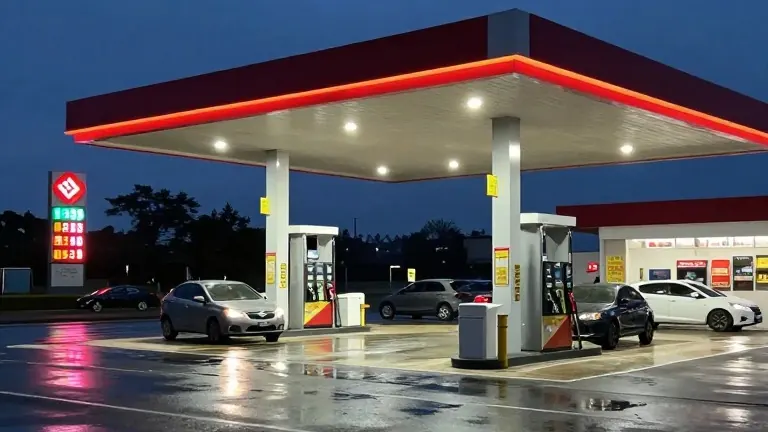
Fuel costs have become a primary driver of household stress. The average price of a gallon of regular unleaded gasoline stood at $4.22 on Thursday, an increase of $1.19 compared to the same period last year. Diesel prices averaged $6.33 per gallon, up by $2.65 from a year ago. These spikes follow the war in Iran, which disrupted global supply chains and pushed energy costs higher.
Consumer confidence has declined in response to these financial pressures. The University of Michigan's monthly survey, released last week, places consumer sentiment at the second-lowest level in the index's 74-year history. The survey indicates that shoppers expect inflation to continue rising over the next year. A poll conducted by ABC News, The Washington Post, and Ipsos found that at least half of Americans described every household purchase category measured as unaffordable.
Gasoline affordability has seen the sharpest shift in public perception. In the latest poll, 71% of respondents called gasoline unaffordable. This figure represents a jump from 28% who held that view in February, prior to the conflict with Iran. The data suggests that the cost of living has moved to the center of the political debate as the election nears.
Despite the inflationary environment, the labor market continues to show resilience. The U.S. added an average of 68,000 jobs per month during the first nine months of the year. This pace represents a significant increase from the average of 10,000 jobs added monthly in 2025. However, the stability of hiring has fluctuated dramatically from month to month.
Employers added only 29,000 jobs in September, a sharp slowdown from the 133,000 jobs added in August. The August figure itself marked a major recovery from the 10,000 jobs lost in July. Data from the U.S. Bureau of Labor Statistics shows that the yearly unemployment rate has remained below 4.5% since 2017, with the notable exceptions of the pandemic years 2020 and 2021.
Spending on artificial intelligence has contributed to the recent economic expansion. A study published last month by J.P. Morgan Asset Management found that the AI sector contributed an average of 0.56 percentage points to GDP growth in each of the first two quarters. This sector accounted for more than 20% of the total economic growth during that period. Consumer spending, which constitutes about two-thirds of economic activity, also surged 0.9% in August, marking the fastest monthly rise since March.
President Donald Trump addressed the economic performance at a rally in Corinth, Mississippi, on Monday. He described the U.S. economy as experiencing "unbelievable growth, the biggest growth in the history of our country." Trump acknowledged the rise in oil prices but stated that the conflict with Iran was necessary to prevent the nation from acquiring a nuclear weapon. He noted that he was prepared for oil prices to rise significantly higher than they actually did.
The federal government has now released most of the major economic data ahead of the election. With GDP growth, inflation rates, and employment figures all available, voters have access to the full range of official numbers. The next major economic indicators will be released after the polls close, leaving the current dataset as the final benchmark for the 2026 midterm campaign.
Source: ABC7 Los Angeles