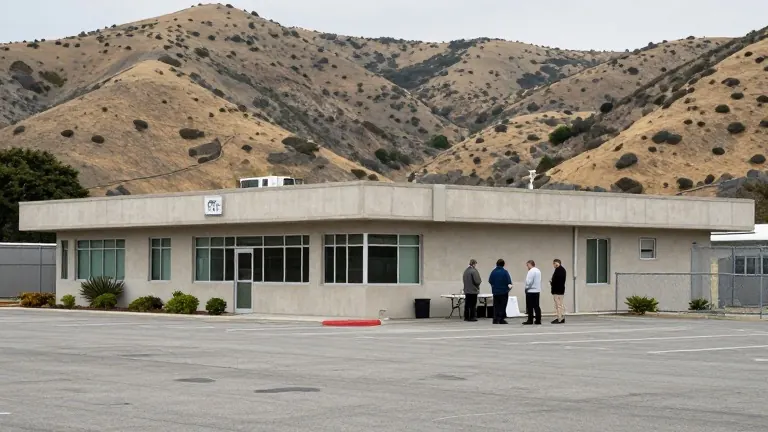
San Diego Council Moves to End Flock License Plate Reader Contract
City leaders vote to terminate the deal despite police data showing the cameras helped solve 10 homicides and reduce auto thefts by 20 percent last year.
By Claire Castillo ·
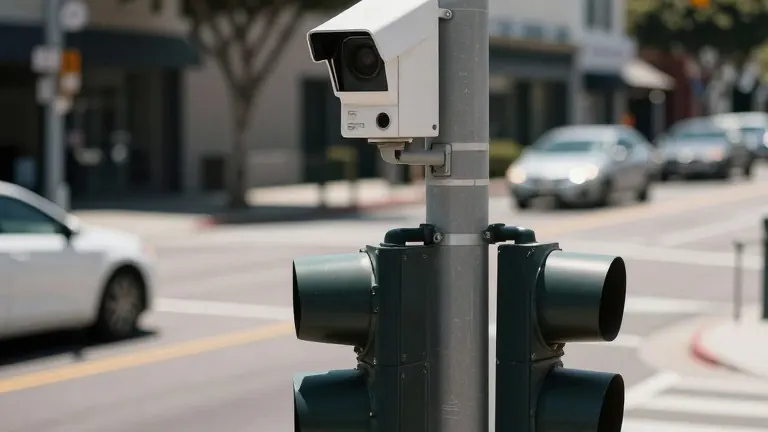
The San Diego City Council is preparing to end its agreement with Flock, the provider of automated license-plate readers, as a wave of public concern over police surveillance practices intensifies. This move comes despite internal data suggesting the technology has played a direct role in solving major crimes and improving public safety metrics in the city.
The shift in city policy is driven by a growing perception that license-plate readers are being used to aid federal immigration enforcement, a practice that has sparked debate in several states. In August, social media campaigns amplified fears that Flock data was being shared with U.S. Immigration and Customs Enforcement, even in jurisdictions with progressive leadership. This narrative gained traction among San Diego residents, creating pressure on local officials to reconsider the city's reliance on the technology.
San Diego Police Chief Scott Wahl has firmly stated that his department has not used Flock data to assist ICE. He notes that the agency operates within local and state legal frameworks regarding the use of these readers. No public evidence has contradicted these claims or suggested that the department is hiding abuses of the system.
Police statistics support the utility of the cameras. In 2025, license-plate readers contributed to the solution of 10 of the city's 28 homicide cases. The technology also coincided with a 20 percent year-over-year drop in auto thefts. Additionally, the data has led to arrests in sexual predation and assault cases and has helped locate individuals suffering from dementia.
Councilmember Stephen Whitburn, who announced his intention to join a coalition seeking to end the contract on October 13, acknowledged the tool's effectiveness. He stated that the readers have helped solve crimes and that he believes the police department uses them responsibly. However, he argued that if the cameras cause many residents to feel unsafe, they lose their effectiveness as a public safety tool. On October 21, a council committee voted unanimously to support terminating the contract.
The decision reflects what sociologists term social contagion, where group attitudes spread rapidly online. For decades, social scientists have observed that groups often prioritize maintaining a unified attitude over holding a precise factual model of reality. In the internet era, this process can happen almost instantly. The current debate illustrates how a specific outrage regarding police transparency can spread across the political spectrum, influencing policy decisions even when local data suggests the tools are working as intended.
Mayor Todd Gloria, a supporter of license-plate readers, has expressed openness to reforms. He has indicated that the city could implement stronger guardrails or switch to a different provider with a cleaner record. This approach would represent a compromise between retaining the technology's benefits and addressing public concerns about its use.
Instead of seeking these adjustments, a majority of the council has adopted a stance to end the contract entirely. This approach aligns with a sentiment that the association of the technology with immigration enforcement is enough to warrant its removal, regardless of local performance data. The full City Council is expected to vote on the termination soon.
The outcome will determine whether San Diego continues to use automated license-plate readers to track vehicles and solve crimes. If the contract is ended, the city will lose access to the data that has contributed to solving homicides and finding missing persons. The decision will also set a precedent for how other cities weigh the trade-offs between surveillance technology and public trust in local law enforcement.
Source: The San Diego Union-Tribune