Levin pushes bill for nuclear waste hubs
The Oceanside representative plans to reintroduce legislation for regional processing sites, citing risks to the 3.6 million pounds of fuel stored at San Onofre.
By Kwame Montgomery ·
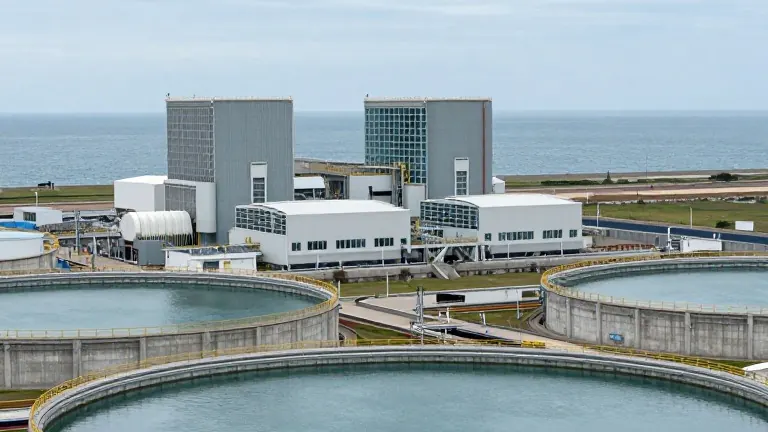
Approximately 3.6 million pounds of spent nuclear fuel sit in storage tanks along the Southern California coast. Rep. Mike Levin, a Democrat from Oceanside, released a report on Wednesday detailing a new legislative approach to move the material to a permanent location. The report argues that rising sea levels and coastal erosion threaten the current storage site at the San Onofre Nuclear Generating Station.
The San Onofre plant stopped generating power years ago, and its decommissioning process is nearly finished. The remaining fuel has been stored at the coastal site since operations ceased. Levin stated that the current location is no longer viable for long term storage due to changing environmental conditions.
The federal government originally selected Yucca Mountain in Nevada to serve as the national repository for this waste. State officials and local residents opposed the project, halting its progress. President Donald Trump withdrew federal support for the Yucca Mountain site during his first term, prior to the 2020 presidential election.
Levin is now pursuing the creation of Nuclear Lifecycle Innovation Campuses. These regional hubs would manage various stages of the nuclear fuel cycle, including fabrication, enrichment, and reprocessing. Levin explained that states must agree to store waste to qualify as one of these campuses. He plans to reintroduce the supporting bill when Congress reconvenes.
Community concerns regarding the transport of radioactive materials remain a major hurdle. Several towns have objected to trains moving nuclear waste through their areas. Levin cited the Atlas Railcar System as a solution to these safety worries. This heavy duty train car was certified in 2024 specifically to transport commercial spent fuel over existing rail lines.
Steven Powell, president and CEO of Southern California Edison, which owns the San Onofre plant, stated that current facilities were built to withstand earthquakes and tsunamis. Powell said the company continues to analyze the site to ensure it can withstand future environmental threats. SoCal Edison experts estimate the fuel can remain safely contained at the site for more than 50 years, though they acknowledge this is not a long term solution.
Levin said permanent solutions will take time to implement. The Atlas Railcar System is designed to provide a dedicated mechanism for moving the fuel, addressing the lack of purpose built transport options available until now.
Source: KPBS