Amazon drops four Northern Virginia data centers for homes and parks
Following intense local resistance, the tech giant will convert a 122-acre Loudoun County site into residential and community spaces instead of AI infrastructure.
By Amy Swan ·
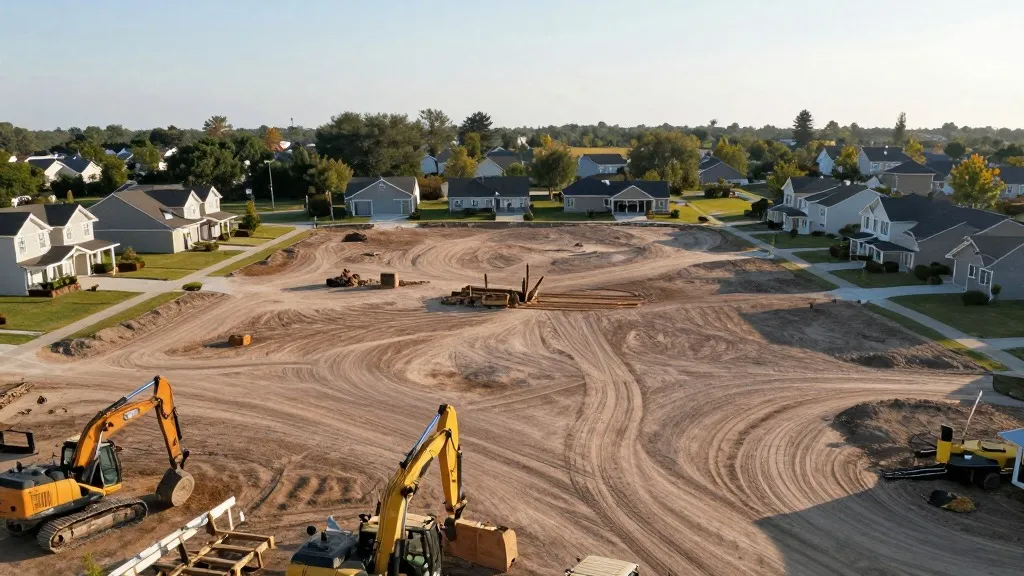
Amazon has officially abandoned plans to construct four new data centers on a former university campus in Loudoun County, Virginia. The decision marks a significant shift in strategy for the tech giant, which will now repurpose the majority of the 122-acre property for mixed-use and residential development. This pivot comes after sustained pushback from local residents who opposed the expansion of server facilities in their neighborhood.
The site, located just outside Washington, D.C., was previously earmarked for high-capacity data storage and processing. However, the company has agreed to donate 25 acres of the land to the county. This portion will be developed into a community arts center and new recreational facilities. Additionally, Amazon has committed a $5 million donation to the county’s housing fund, aiming to support the construction of more attainable homes for working families.
Loudoun County has long been known as “Data Center Alley” due to its dense concentration of server farms. Yet, public sentiment has shifted recently, with residents expressing strong concerns about the noise pollution and massive energy consumption associated with these facilities. Amazon originally submitted its building proposal in July of this year. The turning point came in September, when the company met with Phyllis J. Randall, the Chair of the Loudoun County Board of Supervisors, who suggested that an alternative use for the land might be more beneficial for the community.
Josh Weissman, Amazon’s vice president in charge of data center development, explained that the company initially saw strong potential in the site. He noted that while the company views the property’s legal development potential differently than the county does, they concluded that a shared vision was preferable to costly litigation. Weissman stated that the company jumped at the opportunity to purchase the former George Washington University campus but ultimately respected the county’s pointed concerns about data center development at this specific location.
This agreement highlights the growing tension between the rapid expansion of AI infrastructure and local community needs. While demand for cloud services and AI processing power continues to rise, officials are increasingly scrutinizing the environmental and economic impacts on nearby residents. These impacts include spikes in electricity prices and concerns over water usage. The deal in Loudoun County serves as a notable example of how dialogue can replace confrontation in land-use disputes.
In a statement, Randall praised the outcome, saying that by choosing dialogue over reflexive disagreement, the county and Amazon created a valuable opportunity for the community. She emphasized that the new plan provides spaces for residents to gather, create, and play, while also addressing housing needs. The agreement stands in contrast to the broader national conversation, where leaders are urging data center builders to manage their energy footprints more responsibly. For now, Loudoun County residents can look forward to new homes and amenities rather than additional server racks.
The shift in plans reflects a broader trend in Northern Virginia, where the power grid is under increasing strain. Although the primary driver was local opposition, the move also aligns with regional efforts to balance technological growth with quality of life. The former campus will now serve a dual purpose, supporting both residential growth and community engagement, marking a distinct departure from the region’s recent focus on digital infrastructure.
Source: Tom's Hardware